

Pest Control Services in Summerville, SC
Summerville's humid subtropical climate and location in Dorchester County create ideal conditions for pests to thrive throughout the year. From historic homes in the downtown district to newer developments near Cane Bay and Nexton, residents face unique pest challenges that require localized expertise. The area's pine forests, marshlands, and warm summers contribute to active populations of termites, mosquitoes, cockroaches, and rodents.
Professional pest control in Summerville addresses the specific environmental factors of the Lowcountry. The combination of sandy soils, high groundwater, and abundant vegetation means treatments must account for rapid pest reproduction cycles and seasonal migration patterns. Whether you're dealing with Formosan termites in older neighborhoods or fire ants in suburban yards, targeted approaches deliver better results than generic solutions.
Year-round protection plans are particularly valuable in this region, where mild winters allow many pests to remain active. Quarterly service visits typically include perimeter treatments, interior inspections, and moisture monitoring to prevent infestations before they establish. For homeowners in flood-prone areas near the Ashley River or Four Holes Swamp, specialized protocols address the increased pest pressure that follows heavy rainfall events.
Common Pest Problems in Summerville
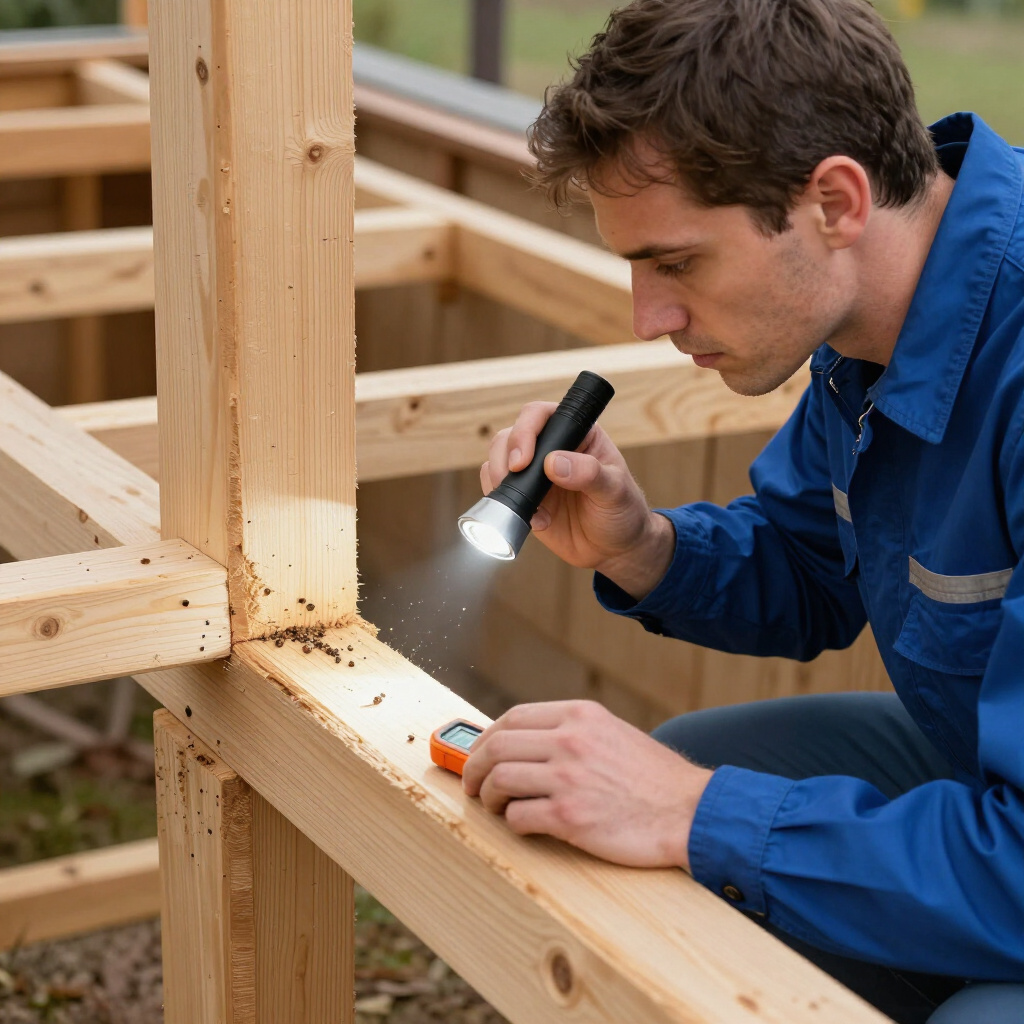
Termites represent one of the most significant threats to Summerville properties. Eastern subterranean termites and the invasive Formosan species both occur in Dorchester County, with swarming activity peaking in spring. The historic wooden structures throughout the town's historic district require particular vigilance, though newer construction is not immune to damage.
Mosquito control becomes essential from April through October, when standing water from summer storms creates breeding opportunities. Residential treatments targeting harborage areas in ornamental plantings and lawn edges reduce biting populations without harming beneficial pollinators. For properties backing onto wetlands or retention ponds, integrated approaches combining source reduction with barrier applications prove most effective.
German cockroaches frequently infest kitchens and bathrooms in multi-unit housing and restaurants along Main Street and surrounding commercial corridors. These pests spread bacteria and trigger allergic reactions, making prompt professional intervention critical. American and smoky brown cockroaches also enter homes from outdoor harborage in mulch beds and crawl spaces.
Wildlife conflicts involving squirrels, raccoons, and occasional snakes increase as development expands into previously wooded areas. Humane exclusion techniques seal entry points while removing attractants, resolving problems without unnecessary harm to native species.
Frequently Asked Questions About Pest Control in Summerville
How does Summerville's climate affect pest activity?
The extended warm season and high humidity in Dorchester County support pest populations that would die off elsewhere. Summerville averages fewer than ten freeze days annually, allowing outdoor pests like mosquitoes, fleas, and ticks to survive winter in sheltered locations. This means preventative treatments should begin earlier in spring and continue later into fall compared to northern climates.
Are termite treatments required for home sales in Summerville?
While South Carolina does not mandate termite inspections by state law, most mortgage lenders require a Wood Infestation Report (CL-100) before closing. This inspection identifies active termite damage, previous infestations, and conducive conditions. Given the significant termite pressure throughout Dorchester County, sellers often proactively obtain treatment documentation to facilitate transactions.
What should I expect during a pest control service visit?
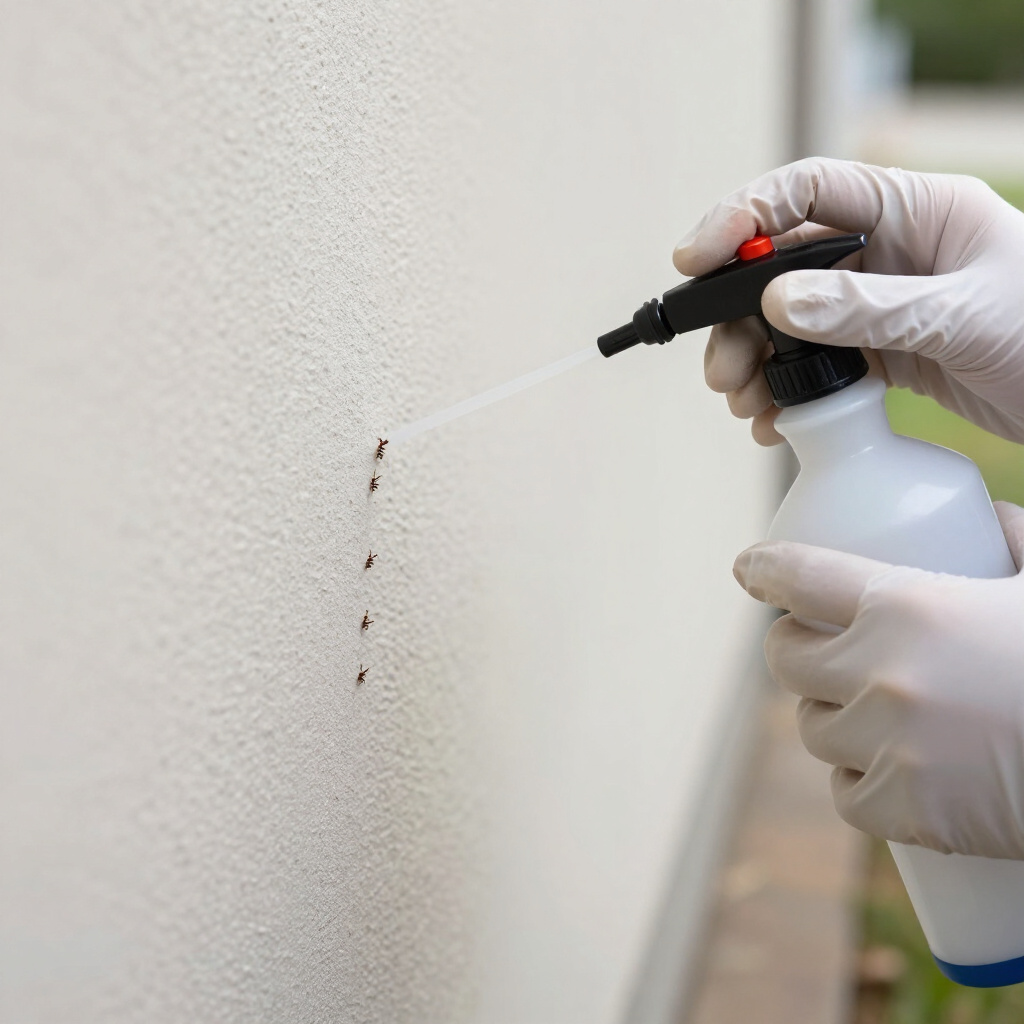
Initial service includes a comprehensive inspection identifying pest species, entry points, and harborage areas. Technicians apply targeted treatments to foundation perimeters, eaves, and interior hotspots based on findings. Follow-up visits focus on maintaining protective barriers and addressing seasonal pest patterns. Communication about preparation requirements, pet safety, and re-entry timing ensures effective results with minimal disruption.