
Pest Control Services in Spartanburg, SC
Spartanburg sits at the heart of South Carolina's Upstate region, where the foothills of the Blue Ridge Mountains create a climate that keeps pest populations active through much of the year. From historic homes in the Converse Heights neighborhood to newer developments near WestGate Mall and commercial corridors along I-26 and I-85, properties throughout Spartanburg County face ongoing pressure from insects, rodents, and wildlife seeking food, shelter, and moisture.
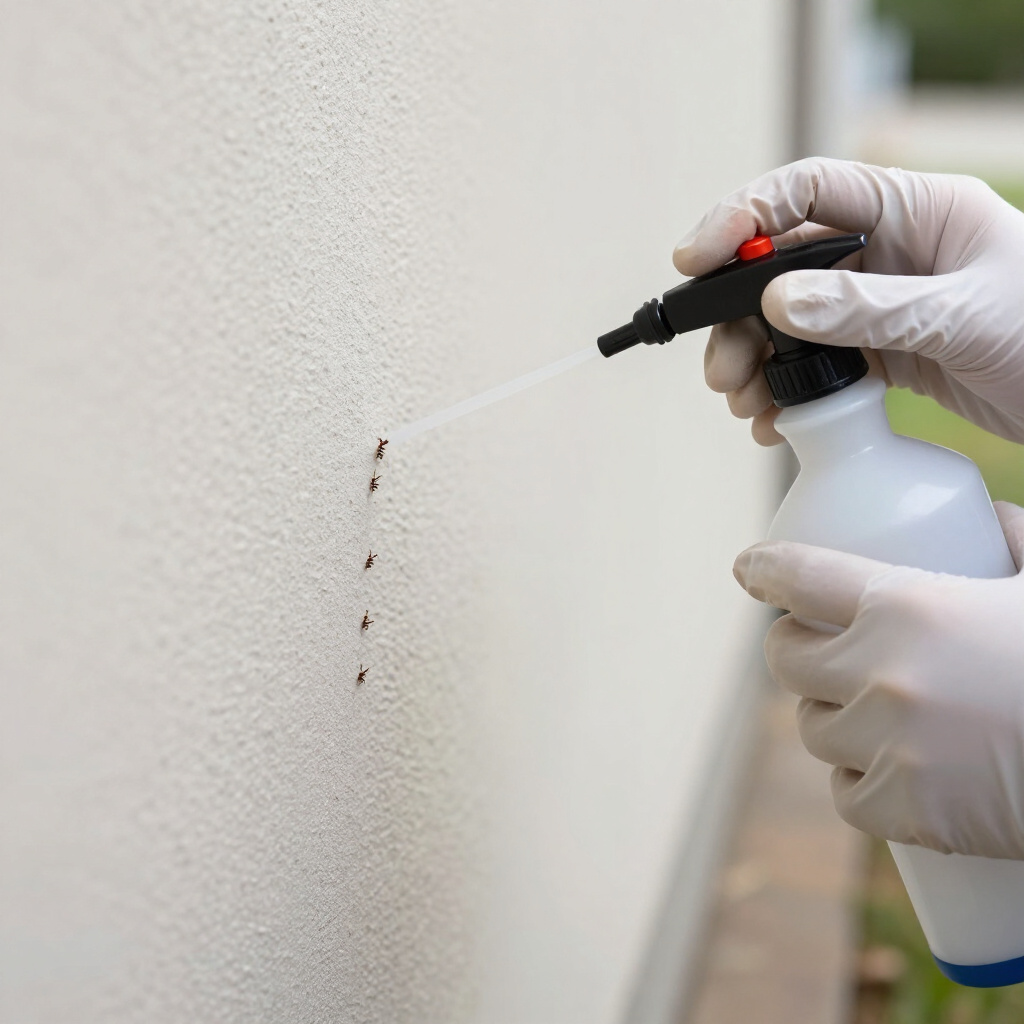
The area's mix of urban density, suburban expansion, and nearby wooded areas creates varied pest challenges. Ants, particularly Argentine ants and odorous house ants, trail into kitchens and bathrooms during spring and summer. Subterranean termites remain a significant threat to the region's older wooden structures, including many of the well-preserved homes near downtown. Mosquitoes breed in the damp areas along Lawson's Fork Creek and other waterways, while cockroaches and spiders find harbor in crawl spaces, basements, and cluttered storage areas.
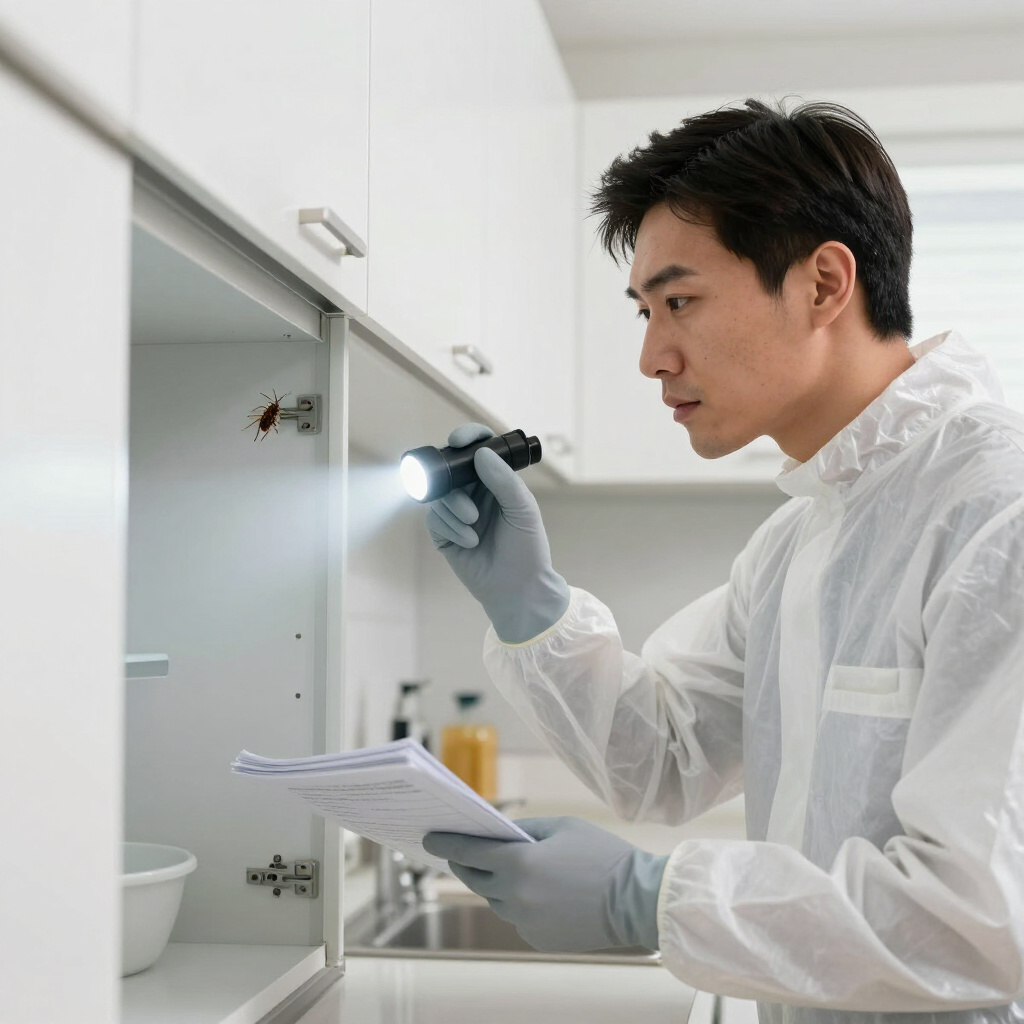
Comprehensive pest management for Spartanburg properties typically includes thorough inspections to identify entry points and harborage areas, targeted treatments using integrated pest management principles, and ongoing monitoring programs. Seasonal treatments address the region's specific pest pressures—spring applications focus on ant swarms and termite activity, summer targets mosquitoes and outdoor pests, fall prevents overwintering invaders like stink bugs and lady beetles, and winter addresses rodents seeking indoor shelter.
Commercial properties in Spartanburg, from restaurants along John B. White Sr. Boulevard to warehouses near the BMW supplier corridor, require specialized programs that meet health department standards while minimizing disruption to operations. Food service establishments need particular attention to cockroach and fly prevention, while industrial facilities may prioritize rodent exclusion and bird deterrence.
Frequently Asked Questions About Pest Control in Spartanburg
What pests are most common in Spartanburg homes?
Ants, termites, and mosquitoes top the list for Spartanburg residents. Argentine ants form massive colonies that enter homes through tiny cracks, while subterranean termites cause structural damage that often goes unnoticed until significant harm occurs. Mosquitoes thrive from late spring through early fall, particularly after rain. Cockroaches, spiders, and occasional rodent issues become more pronounced during cooler months when pests seek indoor shelter.
How does Spartanburg's climate affect pest activity?
The Upstate's humid subtropical climate supports year-round pest pressure with minimal winter die-off. Mild winters allow ant colonies and termite populations to survive and expand, while hot, humid summers accelerate breeding cycles for mosquitoes, flies, and cockroaches. The area receives approximately 50 inches of annual rainfall, creating abundant moisture that pests require for survival. Elevation changes across Spartanburg County also create microclimates where different pest species flourish.
Are termites a serious concern in Spartanburg County?
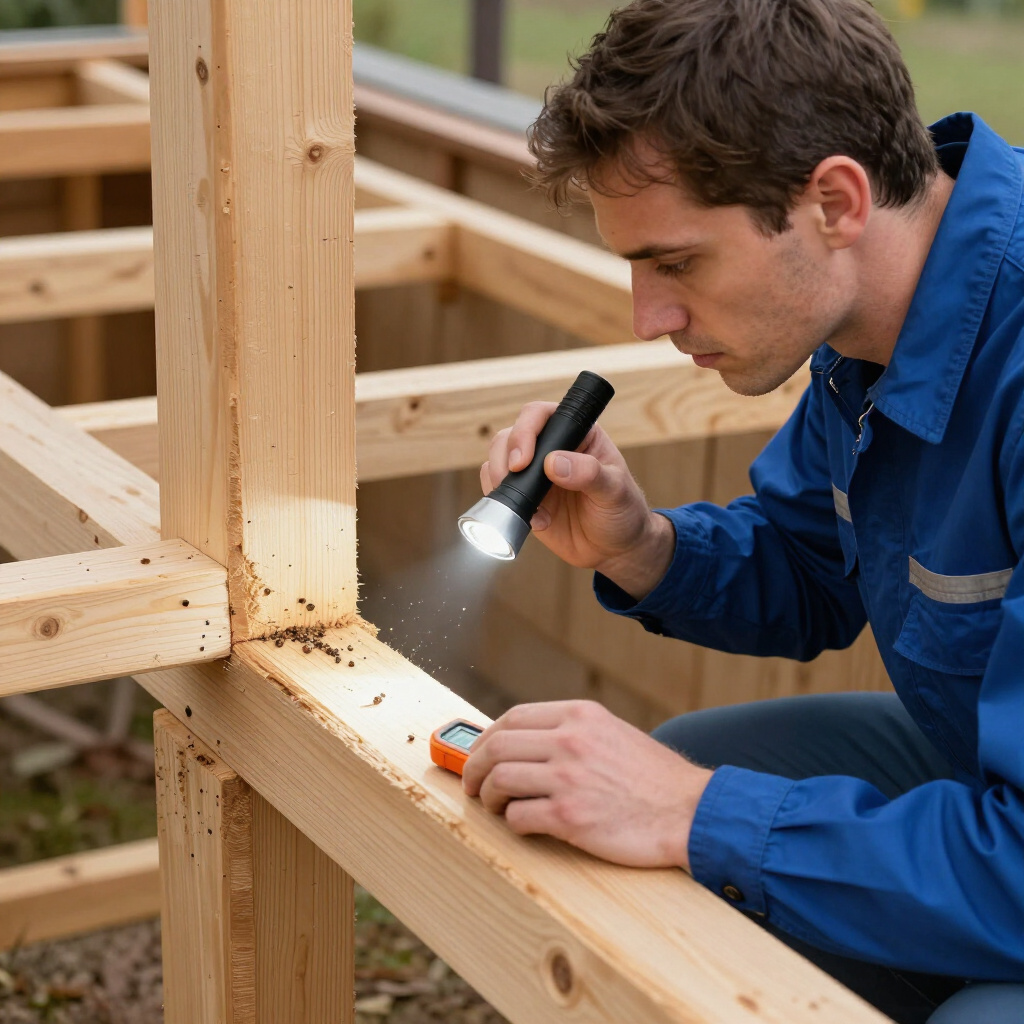
Yes. South Carolina ranks among the states with highest termite pressure, and Spartanburg County falls within the high-activity zone for eastern subterranean termites. The region's older housing stock, particularly homes built before widespread use of termite pretreatments, faces elevated risk. Annual inspections are strongly recommended, especially for properties near wooded areas or with moisture issues in crawl spaces. Modern baiting systems and liquid barrier treatments provide effective protection when properly maintained.
What should I look for when hiring a pest control company in Spartanburg?
Verify proper licensing through the South Carolina Department of Pesticide Regulation, which all legitimate operators must hold. Ask about experience with Spartanburg's specific pest pressures, particularly termite control methods and local ant species management. Request documentation of insurance coverage and inquire whether technicians receive ongoing training. Reputable companies provide detailed treatment plans, explain integrated pest management approaches, and offer service guarantees with clear terms. Check reviews from local customers and confirm the company understands Spartanburg County's municipal requirements for commercial properties.