


How to Choose a Pest Control Professional in Lexington
Finding the right pest control provider in Lexington means looking beyond flashy advertising to credentials that actually matter in Lexington County's unique environment. The humid subtropical climate here creates year-round pest pressure, from spring termite swarms to winter rodent invasions seeking shelter from cooler temperatures.
Start by verifying South Carolina Department of Pesticide Regulation licensing. Any legitimate operator must carry a commercial applicator license, which requires ongoing education and testing. Ask for proof of insurance—both general liability and workers' compensation protect you if accidents occur on your property.
Local experience carries significant weight. Lexington's mix of established neighborhoods like White Knoll, newer developments near Lake Murray, and rural properties along Highway 378 each present distinct pest challenges. A technician familiar with Lexington County soil conditions understands how termites tunnel through our clay-heavy substrates. They'll also recognize which neighborhoods see recurring fire ant mounds versus those battling more indoor-focused issues like German cockroaches or pantry pests.
Request specifics about treatment methods. Integrated Pest Management (IPM) approaches—which combine biological controls, habitat modification, and targeted chemical applications—tend to deliver longer-lasting results with reduced environmental impact around Lexington's lakes and waterways. Ask whether the company provides guaranteed re-treatments between scheduled visits, particularly important during South Carolina's extended warm season.
What to Expect from Pest Control Services in Lexington
Your first service typically begins with a comprehensive property inspection. Technicians examine foundation perimeters, crawl spaces, attic access points, and moisture-prone areas like bathrooms and kitchens. In Lexington's older homes, expect particular attention to wooden structural elements vulnerable to subterranean termite damage—the most economically significant pest in our region.
Following assessment, you'll receive a customized treatment plan with transparent pricing. Most Lexington providers structure services as either one-time treatments for immediate issues or recurring protection plans (quarterly or bi-monthly) for ongoing prevention. The latter proves more cost-effective for homeowners dealing with persistent ant problems or those in wooded lots near Saluda River tributaries.
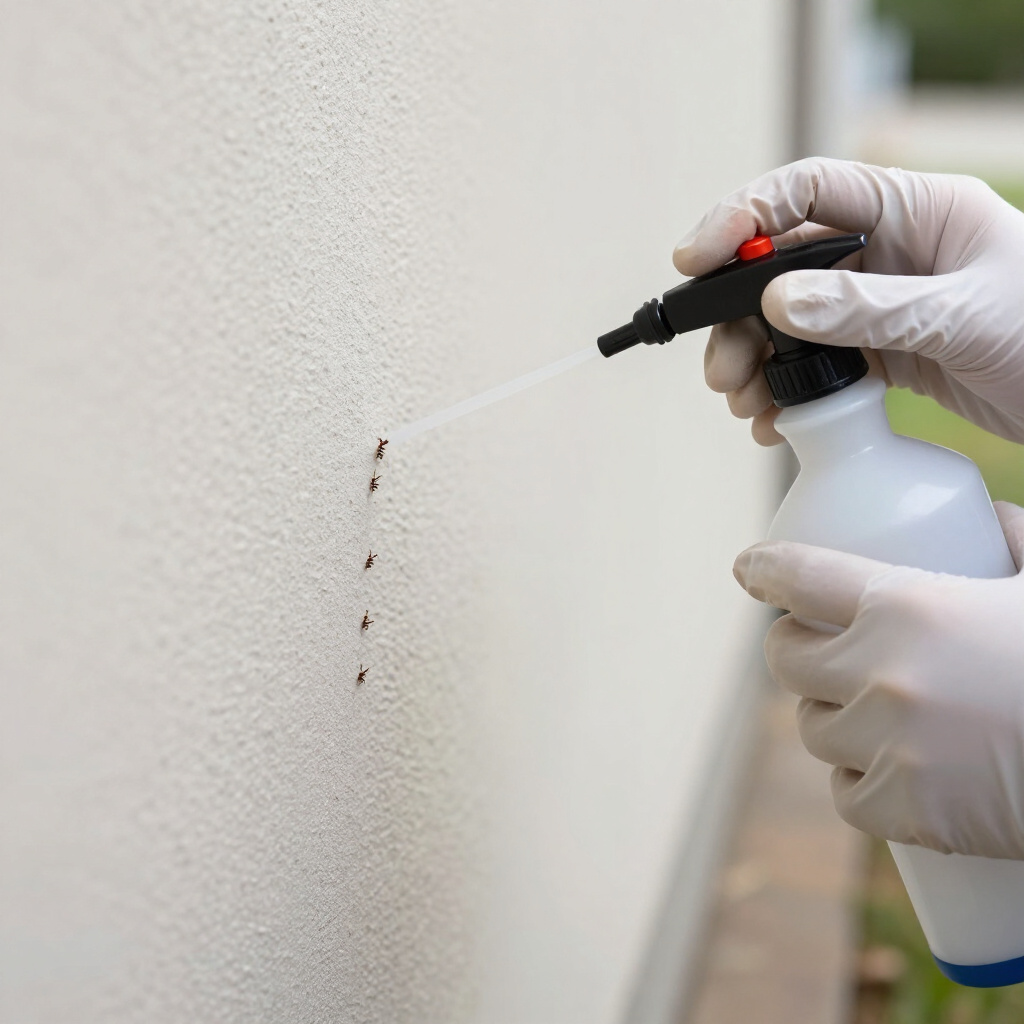
Treatment execution varies by pest type but commonly includes exterior perimeter barriers using micro-encapsulated insecticides, granular applications in lawn areas, targeted interior spot treatments, and mechanical exclusion recommendations. Technicians should explain any preparation requirements—such as removing pet dishes or covering aquariums—and provide a detailed service report noting findings and materials used.
Post-treatment, reputable companies schedule follow-up communications to verify effectiveness. Many Lexington providers now offer digital customer portals where you can review service history, request emergency callbacks, and access seasonal pest alerts specific to our area.
Available Pest Control Services in Lexington
Lexington pest control companies typically offer comprehensive service menus addressing the region's most prevalent invaders:
- Termite Control — Liquid barrier treatments, baiting systems like Sentricon or Trelona, and pre-construction soil treatments for new builds expanding around Lexington.
- Mosquito Reduction — Monthly misting applications during peak season (April through October), targeting breeding sites in standing water common after Carolina thunderstorms.
- Fire Ant Management — Broadcast granular treatments and individual mound elimination, essential for families with children and pets active in yards.
- Rodent Exclusion — Trapping programs combined with structural sealing for roof rats and house mice, particularly relevant as Lexington's suburban edges expand into former agricultural land.
- Cockroach Elimination — German cockroach protocols for multi-unit dwellings and American or smokybrown cockroach treatments for homes with heavy tree canopy coverage.
- Wildlife Management — Humane removal of squirrels, raccoons, and opossums from attics and crawl spaces, with exclusion repairs to prevent re-entry.
- Bed Bug Treatment — Heat remediation and chemical protocols for residential and hospitality properties.
- Moisture Control — Vapor barrier installation and dehumidification recommendations to reduce conditions attracting wood-destroying organisms in Lexington's humid climate.
Many providers bundle popular services into protection plans. Ask about termite monitoring add-ons to general pest control contracts, or seasonal mosquito packages that include tick suppression for properties near wooded areas.
Frequently Asked Questions
How often should I schedule pest control in Lexington?
Most Lexington properties benefit from quarterly service (every three months) due to our mild winters allowing year-round pest activity. Homes near water features, heavily wooded lots, or with previous infestations may require bi-monthly visits during peak spring and summer months.
Are pest control treatments safe for my pets and children?
Licensed Lexington applicators use EPA-registered products applied according to label specifications that account for household safety. Modern micro-encapsulated formulations reduce airborne exposure, and technicians can modify application patterns around pet feeding areas or children's play equipment. Always follow specific post-treatment instructions regarding re-entry timing.
What pests are most problematic in Lexington specifically?
Subterranean termites, fire ants, and mosquitoes dominate Lexington County pest complaints. The area's clay soils and abundant rainfall create ideal conditions for termite colonies, while our warm-season climate extends mosquito breeding periods. Newer construction in developing areas also sees increased tick and spider encounters as habitats transition.
Do I need professional pest control if I only see occasional bugs?
Visible pests often represent a small fraction of actual population presence. Termites remain hidden until substantial damage occurs, and fire ant colonies can establish extensive underground networks before surface mounds appear. Professional inspections identify early-stage problems and implement preventive barriers before infestations escalate into costly remediation scenarios.