
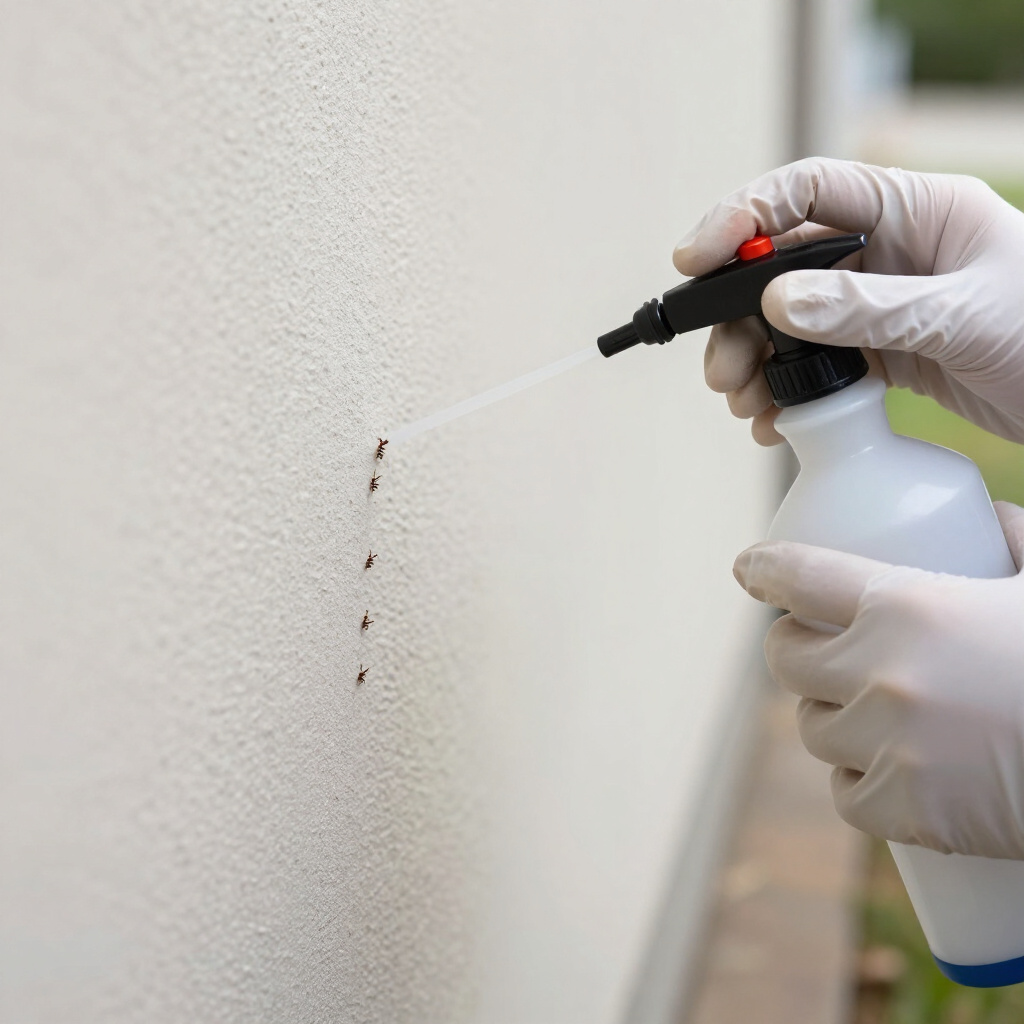


Common Pest Control Problems in Anderson
Living in Anderson means dealing with a unique set of pest challenges throughout the year. The humid subtropical climate of Upstate South Carolina creates ideal breeding conditions for moisture-loving insects, while the mix of urban development and nearby Lake Hartwell shoreline gives pests multiple pathways into homes and businesses.
Termites rank among the most destructive threats to Anderson County properties. Eastern subterranean termites thrive in our warm, damp soil conditions and can compromise structural integrity long before homeowners notice visible damage. Meanwhile, the area's mature tree canopy and abundant green spaces provide perfect harborage for carpenter ants, which tunnel through moist or decaying wood.
Mosquito pressure peaks from late spring through early fall, particularly for properties near Lake Hartwell, the Savannah River, or any standing water. Fire ants remain a persistent problem across lawns and landscapes, delivering painful stings that pose serious risks to children and pets. Inside homes, American cockroaches and occasional invaders like millipedes and centipedes exploit foundation gaps and crawl space moisture to gain entry.
Seasonal shifts bring additional concerns. Winter drives rodents indoors as temperatures drop, with mice and rats seeking attic and wall void shelter. Spring and summer swarm seasons trigger termite and ant reproductive flights, often the first visible sign of established colonies nearby.
How We Help Anderson Homeowners
Effective pest management in Anderson requires understanding local conditions, not applying generic treatment protocols. Our technicians begin with thorough property inspections that account for the specific environmental factors affecting your neighborhood—whether you're in the historic downtown district, a lakefront community, or a newer subdivision near Clemson Boulevard.
We identify active infestations, conducive conditions, and potential entry points before developing customized treatment plans. For termite protection, this means evaluating soil composition, moisture gradients, and structural vulnerabilities specific to your foundation type. For crawling and flying insect control, we target harborage zones, breeding sites, and migration pathways rather than simply spraying baseboards.
Our approach integrates multiple control methods—targeted applications, physical exclusion, habitat modification, and monitoring systems—to deliver lasting results with minimal chemical exposure. We also provide ongoing maintenance programs suited to Anderson's seasonal pest cycles, adjusting protocols as conditions change throughout the year.
Pest Control Services Available in Anderson
- Termite Control & Prevention — Liquid barrier treatments, baiting systems, and wood-destroying organism inspections for real estate transactions.
- Ant Management — Fire ant mound treatments, carpenter ant colony elimination, and nuisance ant perimeter control.
- Rodent Control — Interior trapping, exterior bait stations, entry point sealing, and attic sanitation.
- Mosquito Reduction — Larviciding, adult resting site treatments, and source reduction recommendations for residential properties.
- Cockroach Extermination — German and American cockroach elimination with follow-up monitoring.
- Stinging Insect Removal — Safe nest removal for wasps, hornets, and yellowjackets.
- General Pest Protection — Quarterly or bi-monthly perimeter programs covering spiders, crickets, silverfish, and occasional invaders.
- Commercial Pest Management — Customized programs for restaurants, healthcare facilities, warehouses, and retail operations throughout Anderson County.
Pest Control Pricing in the Anderson Area
Pest control costs in Anderson vary based on property size, infestation severity, and service type. General pest prevention programs for typical single-family homes typically range from $35 to $65 per monthly or quarterly visit, with initial treatments sometimes requiring additional investment for heavy existing pressure.
Termite protection represents a larger but essential expenditure. Liquid treatment for an average-sized home generally falls between $800 and $1,500, with annual renewal fees for monitoring and warranty coverage. Bait system installations start higher but spread costs over time with ongoing monitoring service.
Rodent control involving inspection, trapping, and exclusion work usually runs $200 to $500 for initial service, depending on accessibility and structural complexity. Mosquito treatment programs during peak season average $65 to $95 per application for standard residential lots.
We provide detailed, written estimates before any work begins, with no hidden fees or mandatory long-term contracts on most residential services. Commercial accounts receive customized proposals based on facility type, square footage, and regulatory requirements.
Frequently Asked Questions
What pests are most active in Anderson during summer?
Mosquitoes, fire ants, termite swarmers, and American cockroaches peak during Anderson's warm months. Increased humidity also drives millipedes and centipedes indoors. Our summer treatment protocols target these active threats while establishing barriers against fall invaders.
How often should Anderson homes receive pest control service?
Most residential properties benefit from quarterly perimeter protection, with monthly service recommended for homes with heavy mosquito pressure, ongoing ant issues, or commercial food-handling operations. We adjust frequency based on your specific situation rather than applying one schedule universally.
Are treatments safe for families with children and pets?
Yes. We use targeted application methods that minimize chemical exposure, applying products precisely where pests travel and harbor rather than broadcasting broadly. We provide specific safety instructions regarding re-entry times and any temporary precautions needed after service.
Do you service lakefront properties around Lake Hartwell?
Absolutely. Lakefront homes face intensified mosquito and moisture pest pressure that requires specialized approaches. We account for shoreline setbacks, drainage patterns, and environmental sensitivity when designing treatment plans for these properties.