

Termites are among the most destructive pests a homeowner can face, causing billions of dollars in damage across the United States each year. The real danger lies in their stealthy nature—these insects often work silently behind walls, under floors, and deep within wooden structures for months or even years before their presence becomes obvious. By the time you spot clear evidence, significant structural damage may already have occurred. Recognizing the early signs you may have termites can mean the difference between a manageable treatment and a costly, extensive repair project. This guide will walk you through the most important warning indicators every homeowner should know.
Visible Signs You May Have Termites in Your Home
One of the most reliable ways to detect a termite problem is to watch for physical evidence around your property. Subterranean termites, the most common species in many regions, build distinctive mud tubes to travel between their underground colonies and food sources. These pencil-width tunnels often appear on foundation walls, crawl space supports, or along exterior surfaces. Breaking one open and finding active, creamy-white insects confirms an active infestation.
Damaged wood presents another clear warning sign. Tap on wooden beams, baseboards, or window frames with a screwdriver handle. Healthy wood produces a solid, resonant sound. Wood weakened by termites sounds hollow or papery and may feel soft when pressed. In advanced cases, you might notice blistering or darkening on wood surfaces, or even see the wood crumble away entirely.
Drywood termites, which don't require soil contact, leave behind small piles of frass—tiny, hexagonal pellets that resemble sawdust or coffee grounds. These often accumulate below kick holes in wood where the termites expel their waste. Finding frass near wooden furniture, trim, or attic beams strongly suggests drywood termite activity.
Swarmers, or reproductive termites, represent one of the most dramatic and unmistakable signs you may have termites. These winged insects emerge in large numbers during spring, often after warm rains. They are attracted to light and may cluster around windows or doors. Many homeowners mistake them for flying ants, but termite swarmers have straight antennae, equal-length wings, and broad waists. Even if you only find discarded wings without seeing the insects themselves, you've likely witnessed a recent swarm.
Subtle Environmental and Structural Clues
Not all termite indicators are as obvious as mud tubes or swarmers. Developing an eye for subtler changes can help you catch problems much earlier. Doors and windows that suddenly become difficult to open or close may signal termite damage within the frame. As termites consume wood and create moisture in the process, the affected timber warps and shifts, causing operational problems.
Similarly, wallpaper or paint that appears bubbled, peeling, or stained without an obvious water source deserves investigation. Termites introduce moisture into walls as they tunnel, and this can mimic the appearance of water damage. Before you simply repaint or rehang wallpaper, probe the area gently to check for hollow spaces behind the surface.
Your foundation and exterior structures also tell important stories. Wooden fence posts, deck supports, and exterior steps that sag, lean, or break easily may have internal termite damage. Pay special attention to any wood that contacts or sits close to soil, as this creates ideal conditions for subterranean termite access. Even seemingly solid concrete structures aren't immune—termites can squeeze through cracks just 1/32 of an inch wide to reach wooden elements inside.
Some homeowners report hearing faint clicking or rustling sounds within walls, particularly at night when the house is quiet. Soldier termites bang their heads against tunnel walls to warn the colony of danger, creating audible vibrations. While not everyone will notice these sounds, those with acute hearing in very quiet environments sometimes detect them before any visual signs appear.
Key Prevention and Early Detection Strategies
Proactive habits dramatically improve your chances of avoiding severe termite damage. Schedule professional inspections annually, or every six months if you live in high-risk areas or have experienced previous termite activity. Trained technicians know exactly where to look and can spot early signs you may have termites that untrained eyes miss entirely.
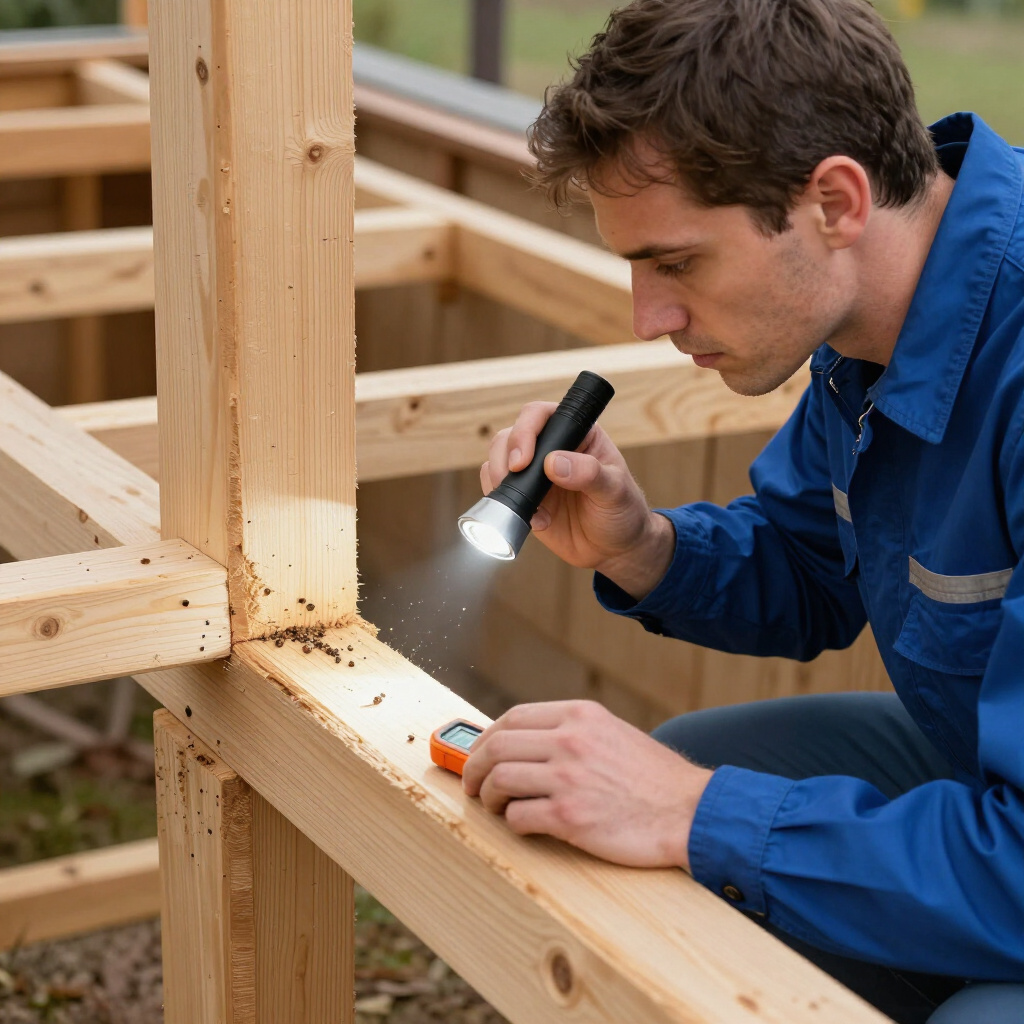
Between professional visits, conduct your own regular inspections. Focus on basements, crawl spaces, attics, garages, and any areas where wood meets soil or moisture accumulates. Use a bright flashlight and a probing tool to check suspicious areas. Keep detailed notes or photographs of anything unusual so you can track changes over time.
Moisture control plays a crucial role in termite prevention. Repair leaking faucets, pipes, and air conditioning units promptly. Ensure proper drainage around your foundation by maintaining gutters, downspouts, and grading. Use dehumidifiers in damp basements or crawl spaces. Termites require moisture to survive, so eliminating excess humidity makes your property significantly less attractive to them.
Landscaping choices also matter. Maintain at least six inches of clearance between soil and any wooden siding or structural elements. Remove dead trees, stumps, and wood debris from your property, as these serve as termite staging grounds. Store firewood, lumber, and mulch at least twenty feet from your home and elevate stacks off the ground. Consider using termite-resistant mulch alternatives like rubber or gravel near your foundation.
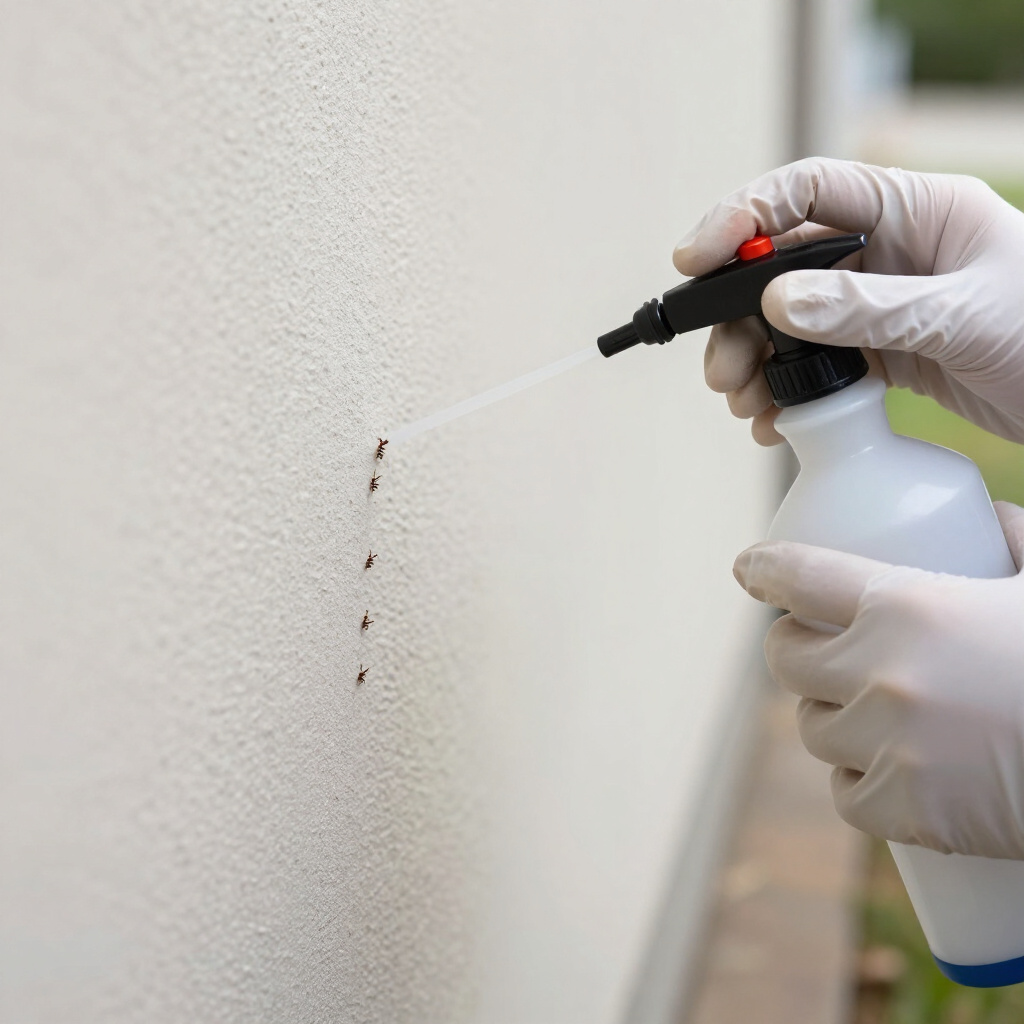
Finally, resist the temptation to treat suspected termite activity yourself. Over-the-counter sprays and bait stations rarely eliminate entire colonies and may simply drive termites deeper into hidden areas, making professional treatment more difficult later. If you observe any signs you may have termites, contact a licensed pest control professional promptly for accurate identification and a comprehensive treatment plan.
Final Thoughts
Termites operate quietly but cause consequences that resonate loudly through repair bills and compromised structural integrity. The signs you may have termites range from dramatic swarmers and obvious mud tubes to subtle changes in how doors close or paint appears on your walls. No single indicator tells the whole story, but combining vigilant observation with professional expertise creates the strongest defense. Your home represents one of your most significant investments—protecting it from these hidden destroyers starts with knowing what to look for and acting decisively when something seems amiss. When in doubt, always err on the side of caution and bring in a qualified inspector. Early detection doesn't just save money; it preserves the safety and stability of the place you call home.