
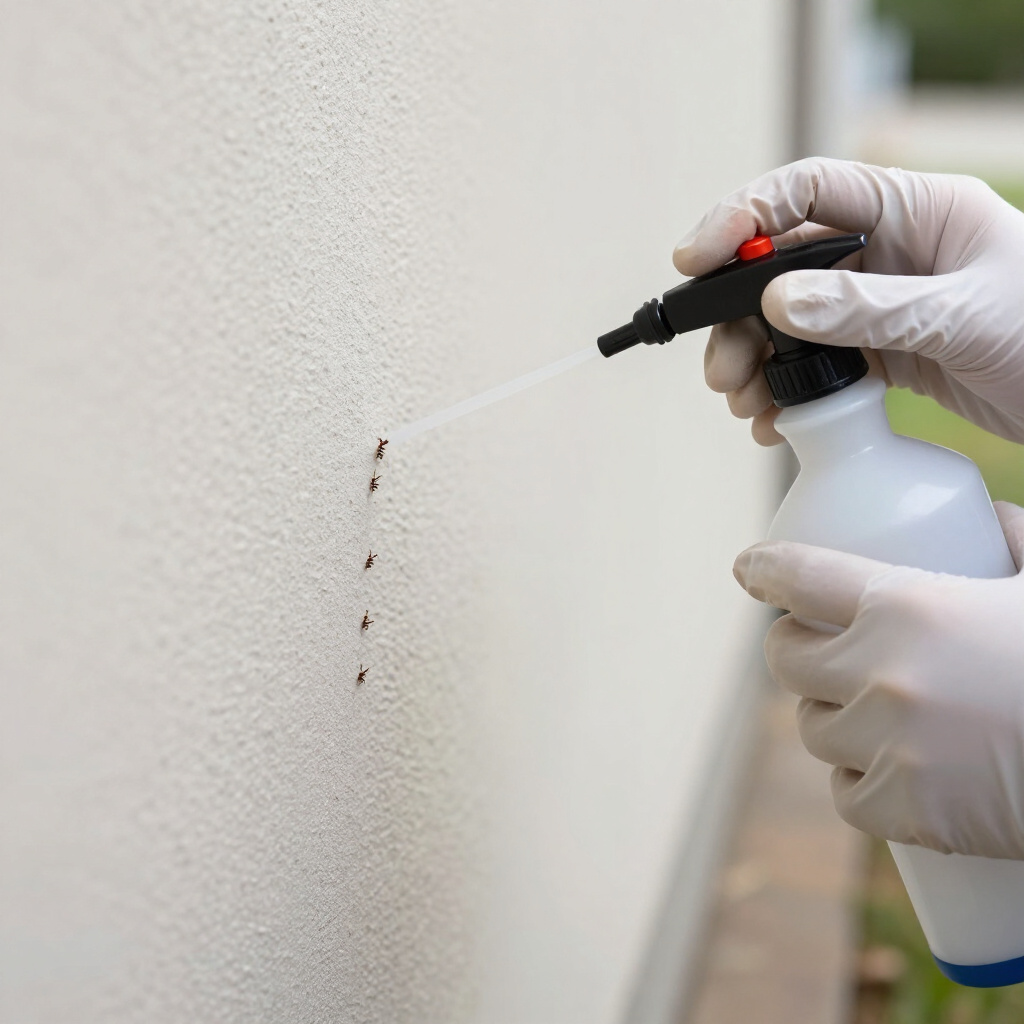


Pests don't take vacations. As the seasons shift, so do the threats to your home — from ants marching across your kitchen counter in spring to rodents seeking warmth in your walls come winter. Staying ahead of these invaders requires more than a single treatment; it demands a year-round strategy tailored to what nature sends your way. The good news? With a proactive seasonal pest control checklist, homeowners can dramatically reduce infestations, protect their property, and enjoy peace of mind every month of the year.
Your Seasonal Pest Control Checklist: Spring Awakening
Spring is when pest activity explodes. As temperatures rise, ants, termites, wasps, and spiders emerge from dormancy and begin establishing colonies. This is your most critical season for prevention.
Start with a thorough exterior inspection. Walk your property and seal cracks in your foundation, gaps around windows and doors, and openings where utility lines enter your home. Replace worn weatherstripping and repair torn screens — even small gaps invite trouble. Clear winter debris from gutters and downspouts, as standing water and clogged drainage attract mosquitoes and provide nesting material for various pests.
Trim shrubs and tree branches away from your home's exterior. Overhanging limbs act as highways for ants, squirrels, and roof rats. Rake mulch away from foundation walls to at least six inches, reducing harborage for termites and earwigs. Consider scheduling a professional termite inspection during spring, as swarm season makes infestations most detectable.
Inside, focus on moisture control. Fix leaky faucets, ensure bathrooms vent properly, and use dehumidifiers in damp basements or crawl spaces. Store pantry items in airtight containers and clean crumbs promptly — spring ant colonies are actively foraging, and your kitchen is their target.
Summer Vigilance: Peak Pest Pressure
Summer brings the year's heaviest pest pressure. Mosquitoes, flies, ticks, fleas, and stinging insects dominate the landscape, while ants and cockroaches continue indoor foraging.
Your seasonal pest control checklist should prioritize yard management during these months. Eliminate standing water weekly — bird baths, plant saucers, clogged gutters, and children's toys can all become mosquito breeding sites. Keep grass trimmed and vegetation thinned to reduce tick and flea habitat. If you have pets, maintain consistent flea and tick prevention and inspect them regularly after outdoor activity.
For stinging insects, inspect eaves, soffits, deck undersides, and play structures for early nest construction. Paper wasps and mud daubers start small; addressing nests when they're golf-ball sized prevents dangerous large colonies later. Never attempt removal if you're allergic or if the nest is extensive — this is when professional intervention matters most.
Outdoor food and garbage management becomes essential. Use tight-fitting lids on trash and recycling bins, clean grills after use, and don't leave pet food outdoors overnight. For evening gatherings, consider fans on patios — mosquitoes are weak flyers and struggle against air movement.
Indoors, maintain your defensive perimeter. Continue sealing entry points, keep screens intact, and ensure door sweeps make proper contact with thresholds. If fruit flies appear, eliminate their breeding sources — overripe produce, drain buildup, and recycling residue — rather than relying solely on traps.
Fall Preparation: Blocking the Invasion
As temperatures drop, pests sense the change and seek winter shelter. Rodents, stink bugs, boxelder bugs, cluster flies, and overwintering wasps all attempt indoor entry during fall. Your actions now determine whether you'll share your home with unwanted guests.
Conduct your most aggressive exclusion work in early fall, before sustained cold arrives. Install door sweeps on garage and exterior doors. Seal gaps around pipes, cables, and vents with appropriate materials — steel wool or copper mesh for rodents (they can gnaw through foam and caulk), supplemented with caulk or sealant. Repair damaged soffits, fascia, and roofing materials that could permit entry.
Store firewood at least twenty feet from your home and elevate it off the ground. Wood piles harbor termites, ants, spiders, and rodents, all of which can transfer to your structure if stored adjacent to walls. Inspect and shake out any firewood before bringing indoors.
Inside, declutter storage areas where rodents would nest. Replace cardboard boxes with plastic bins for holiday decorations, seasonal clothing, and archived documents. Install screens over chimney openings and attic vents. If you've had rodent issues previously, set traps in garage and attic spaces as monitoring tools before activity peaks.
Continue landscaping discipline. Rake and remove fallen leaves promptly — they create ideal harborage for overwintering insects and attract wildlife that brings additional pest pressures. Cut back perennials and remove dead annuals from garden beds.
Winter Monitoring: Indoor Focus and Planning Ahead
Pest activity slows in winter, but vigilance remains essential. Rodents that entered in fall now establish nesting sites. Cockroaches, silverfish, and stored product pests continue thriving in heated interior environments. Spiders follow their prey indoors.
Your seasonal pest control checklist shifts to interior monitoring during winter months. Inspect attics, basements, crawl spaces, and utility rooms for rodent signs: droppings, gnaw marks, nesting material, or greasy rub marks along baseboards. Listen for scratching or scurrying sounds, particularly at night. Address any evidence immediately — rodent populations grow exponentially, and winter breeding means spring explosions.
Evaluate your pantry and storage areas. Discard expired goods, inspect flour and grain products for weevils or moth larvae, and maintain airtight storage. Check seldom-used closets for silverfish or clothes moth damage on woolens and silks.
Monitor moisture levels in basements and crawl spaces. Winter heating can create condensation issues, and humidifiers set too high support pest survival. Ensure proper ventilation and address any plumbing leaks promptly.
Perhaps most valuably, use winter's relative calm for planning. Research local pest trends, schedule your spring professional inspection, and budget for any needed structural repairs or preventive treatments. If you've experienced recurring issues, consult with a pest management professional to identify underlying conditions you've missed.
Key Tips for Year-Round Success
Consistency separates successful pest management from perpetual frustration. Integrate these practices into your regular home maintenance routine rather than treating them as emergency responses.
Document your efforts. Maintain simple notes or photos of conditions you observe, treatments you apply, and professional services received. This record helps identify patterns and proves invaluable when working with pest professionals.
Understand your local ecology. Pest pressures vary dramatically by region — subterranean termites dominate some areas while drywood species threaten others; brown recluse spiders range through specific territories while black widows occupy different zones. Tailor your vigilance to actual local risks rather than generic advice.
Recognize when DIY reaches its limits. Homeowners can accomplish tremendous prevention through diligent maintenance, but established infestations of termites, bed bugs, or extensive rodent populations demand professional expertise. The cost of delayed proper treatment invariably exceeds early intervention.
Integrate pest awareness into home improvement decisions. When replacing siding, roofing, or landscaping, select materials and designs that resist pest harborage. When remodeling, ensure new construction meets modern standards for termite protection and ventilation that discourages moisture pests.
Finally, communicate with neighbors in attached housing or dense neighborhoods. Pests respect no property lines, and coordinated prevention across multiple homes amplifies everyone's protection.
Final Thoughts
A seasonal pest control checklist transforms overwhelming pest threats into manageable, scheduled tasks. By aligning your efforts with natural pest cycles — excluding in fall before invasion, monitoring in winter during indoor confinement, and aggressively preventing in spring and summer during peak activity — you work with nature's rhythms rather than against them.
The homeowners who sleep soundly aren't those with luck, but those with systems. Start your checklist this season, adapt it as you learn your property's unique vulnerabilities, and build the habit of proactive protection. Your home represents significant investment and personal sanctuary — it deserves nothing less than thoughtful, year-round defense against the creatures that would share it uninvited.