

Pests are an unwelcome reality for homeowners, but reaching for harsh chemicals isn't always the best answer. Whether you're concerned about children and pets, worried about environmental impact, or simply prefer a gentler approach, natural pest control methods can be surprisingly effective when applied correctly. The key is understanding which solutions work for specific pests and using them strategically rather than hoping for a one-size-fits-all miracle. Let's explore proven natural pest control methods that actually deliver results.
Natural Pest Control Methods for Common Household Invaders
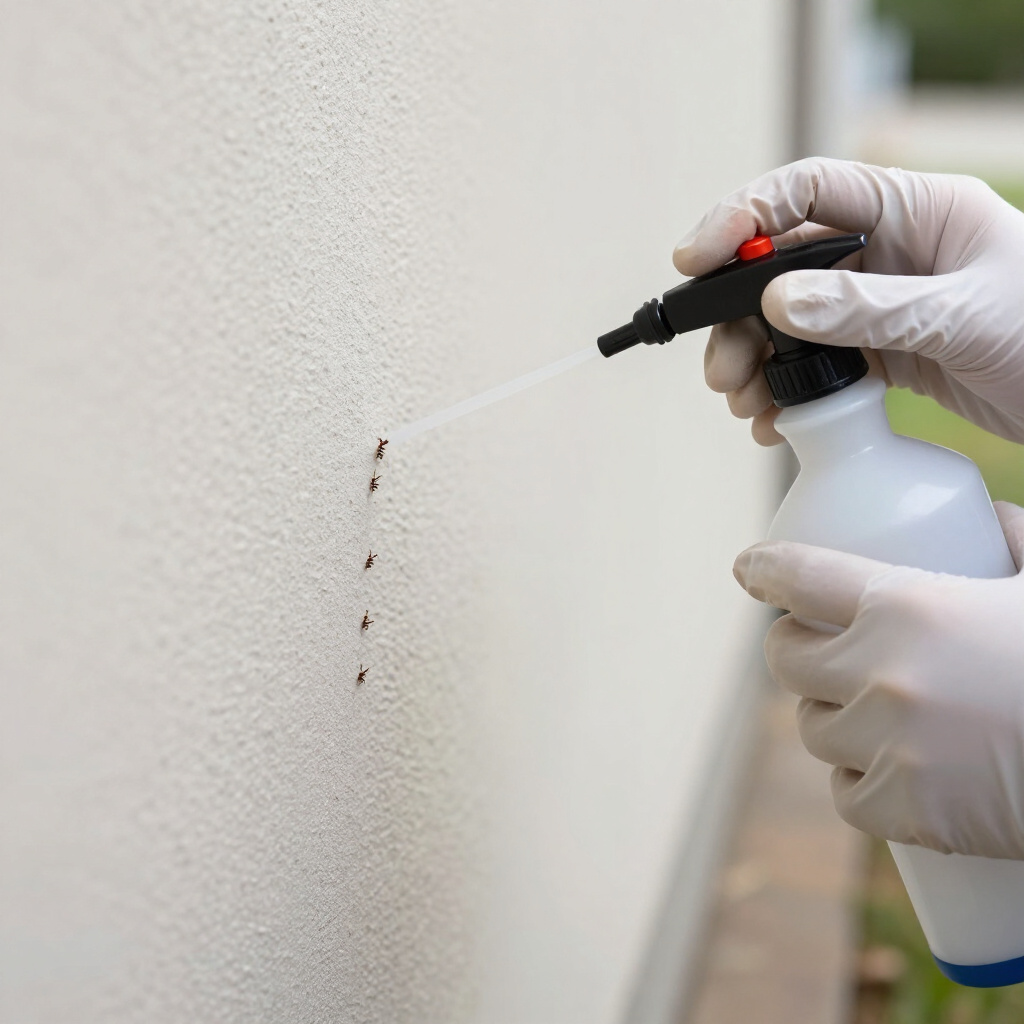
When ants march across your kitchen counter or spiders set up camp in corners, natural pest control methods offer reliable solutions without the chemical residue. For ants, a simple line of food-grade diatomaceous earth creates an abrasive barrier that damages their exoskeletons—just reapply after any moisture contact. Peppermint oil diluted in water makes an excellent spider deterrent when sprayed along baseboards and window frames; spiders taste with their feet and will avoid the strong scent.
Mixing equal parts white vinegar and water disrupts the pheromone trails ants follow, making it harder for scout ants to recruit others to your pantry. For fruit flies, a small bowl of apple cider vinegar covered with plastic wrap and punctured with tiny holes traps them effectively. The key with all these approaches is consistency—natural methods often require more frequent application than chemical alternatives, but they keep your home safer in the process.
Essential oils extend beyond peppermint. Tea tree oil repels various insects, while eucalyptus and lavender deter moths and fleas. Create sachets of dried lavender or cedar blocks for closets rather than chemical mothballs. These natural pest control methods protect clothing without leaving behind that telltale chemical odor.
Building a Pest-Resistant Garden and Yard
Your outdoor space is your first line of defense, and thoughtful landscaping reduces pest pressure before problems reach your door. Start with companion planting—marigolds release compounds that repel nematodes and aphids, while basil planted near tomatoes discourages flies and mosquitoes. Nasturtiums act as trap crops, drawing aphids away from vegetables you actually want to harvest.
Beneficial insects are powerful allies that cost nothing beyond creating welcoming habitat. Ladybugs devour aphids at remarkable rates, lacewings tackle thrips and whiteflies, and parasitic wasps control caterpillar populations. Plant dill, fennel, yarrow, and cosmos to attract these helpful predators. A shallow dish of water with pebbles for landing spots also encourages them to stick around.
Neem oil deserves special mention for garden applications. Derived from the neem tree, this botanical oil disrupts feeding and reproduction in over 200 pest species while remaining safe for pollinators once dried. Apply in early morning or evening when bees aren't active, and target undersides of leaves where pests hide.
Physical barriers complete your outdoor strategy. Copper tape around raised beds deters slugs and snails through a mild electrochemical reaction they avoid. Row covers protect vegetables during vulnerable growth stages without any sprays at all. Even something as simple as keeping grass trimmed and eliminating standing water dramatically reduces mosquito breeding opportunities.
Key Tips for Making Natural Pest Control Methods Succeed
Natural approaches require a shift in mindset from instant elimination to ongoing management. First, identify your pest correctly—what works for sugar ants fails completely with carpenter ants, and different spider species respond to different deterrents. Misidentification leads to wasted effort and growing frustration.
Apply natural pest control methods preventively rather than reactively. Seal cracks and gaps with caulk before temperatures drive pests indoors. Maintain dry conditions since moisture attracts everything from silverfish to cockroaches. Store pantry items in airtight glass or metal containers that deny access to the first curious explorer.
Patience matters enormously. Diatomaceous earth may take several days to show results as it works physically rather than chemically. Bait stations with boric acid for ants operate slowly by design—the workers carry poison back to colonies, achieving true elimination rather than just killing visible foragers. Resist the urge to supplement with chemical sprays, which can actually repel pests from bait stations and undermine your natural approach entirely.
Rotate your methods when something stops working. Pests can develop behavioral resistance, and what deterred them last season may need reinforcement. Combining multiple tactics—habitat modification, physical barriers, botanical repellents, and biological controls—creates redundancy that single-method approaches lack.
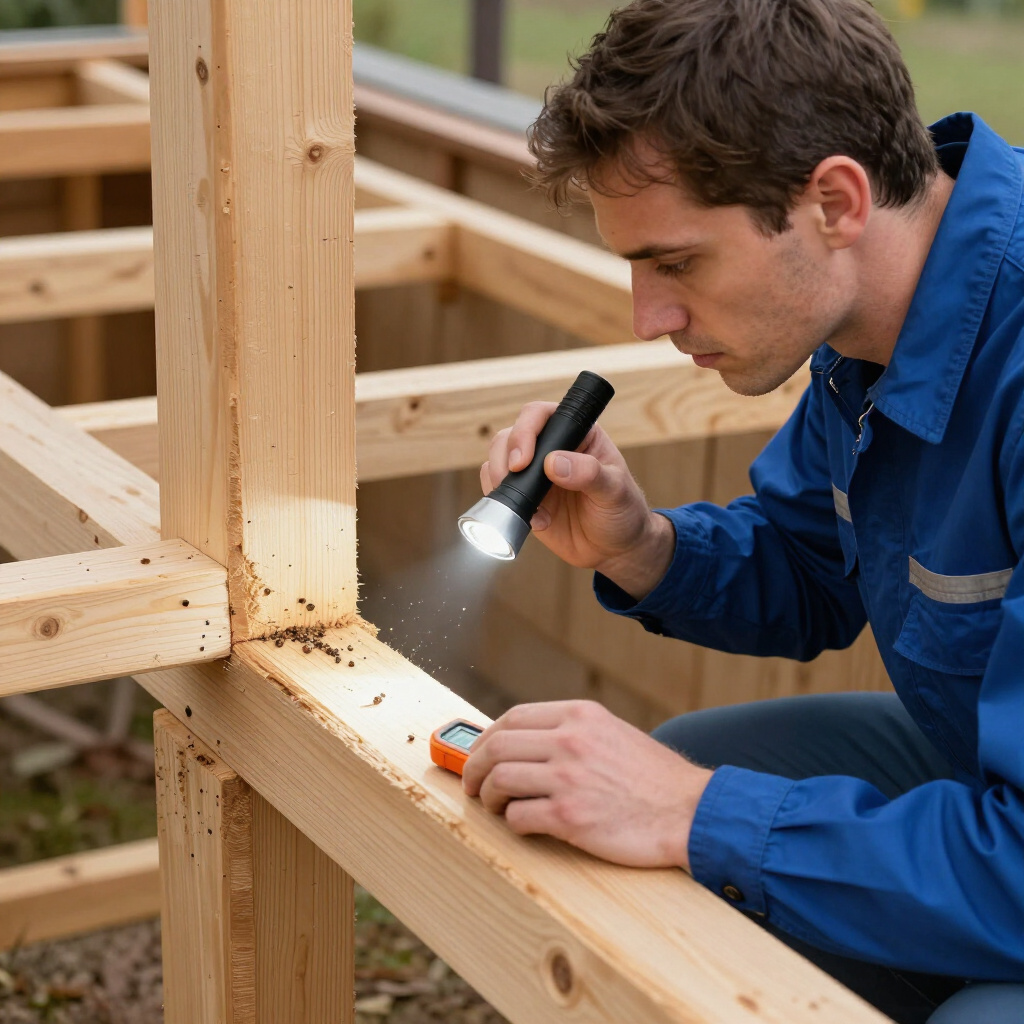
Know when professional help becomes necessary. Natural pest control methods excel with minor to moderate issues, but established termite colonies, bed bug infestations, or structural carpenter ant damage warrant expert intervention. The goal is reducing chemical exposure, not avoiding effective treatment when health and property are genuinely at risk.
Final Thoughts
Natural pest control methods that actually work combine knowledge, consistency, and realistic expectations. They protect your home and garden while preserving the broader ecosystem that ultimately keeps pest populations in balance. Start with prevention, layer in targeted botanical and physical controls, and adjust based on what you observe. The reward is effective management without the worry of what you're leaving behind on surfaces, in soil, or drifting through air your family breathes. Sometimes the gentlest approach proves the most powerful when applied with understanding and patience.