

Few things disrupt the comfort of home quite like discovering unwanted visitors crawling through your kitchen or skittering across your basement floor. Whether you're a new homeowner or have lived in your space for decades, understanding which pests pose the biggest threat—and how to keep them out—can save you stress, money, and countless hours of frustration. The good news? Most infestations are entirely preventable with the right knowledge and consistent habits.
Most Common Household Pests and How to Prevent Them: The Usual Suspects
While dozens of species might try to make your house their home, certain pests show up again and again in homes across the country. Knowing their habits helps you stay one step ahead.
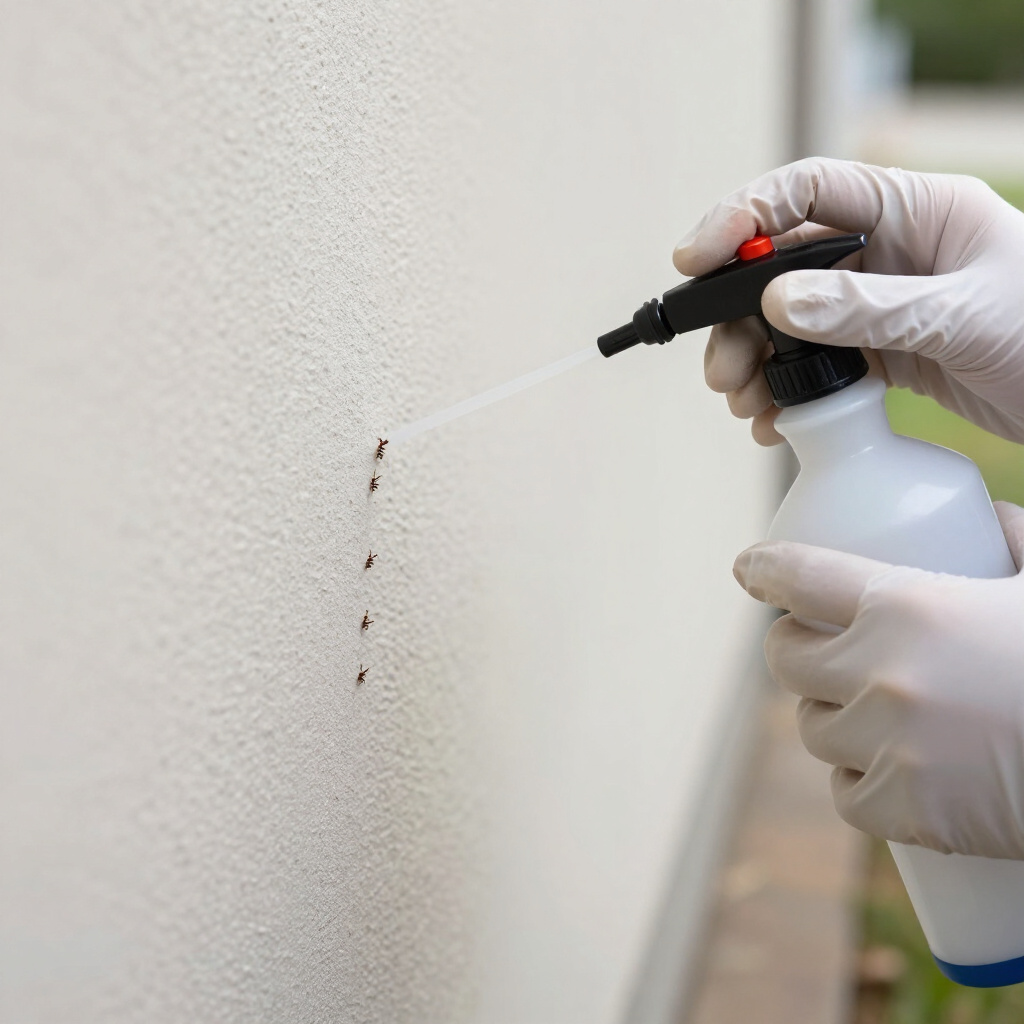
Ants top nearly every list of household invaders. These persistent foragers enter through the tiniest cracks, following scent trails left by scout ants to food sources. Sugar ants swarm to spills and crumbs, while carpenter ants pose a more serious threat by tunneling through damp wood. Prevention starts with eliminating their food motivation: wipe counters daily, store pantry items in sealed containers, and fix leaky pipes that attract moisture-loving species.
Cockroaches thrive in warm, humid environments with access to food and water. These nocturnal pests multiply rapidly and can trigger allergies and asthma. German cockroaches often hitchhike inside via grocery bags or cardboard boxes, while American cockroaches typically enter from sewers and drains. Keep them out by sealing gaps around pipes, storing food properly, emptying trash nightly, and reducing humidity with proper ventilation.
Spiders generally prefer quiet, undisturbed spaces like basements, attics, and closets. While most household spiders are harmless and actually help control other insects, their presence often signals a broader pest problem supplying their food. Regular dusting, decluttering storage areas, and sealing exterior cracks removes their habitat and hunting grounds.
Rodents—mice and rats—seek shelter, nesting materials, and food as temperatures drop. These destructive pests gnaw through wiring, contaminate food, and spread disease. Their flexible bodies allow mice to squeeze through openings as small as a dime. Inspect your home's foundation, utility entry points, and roofline for gaps, and install door sweeps to block ground-level access.
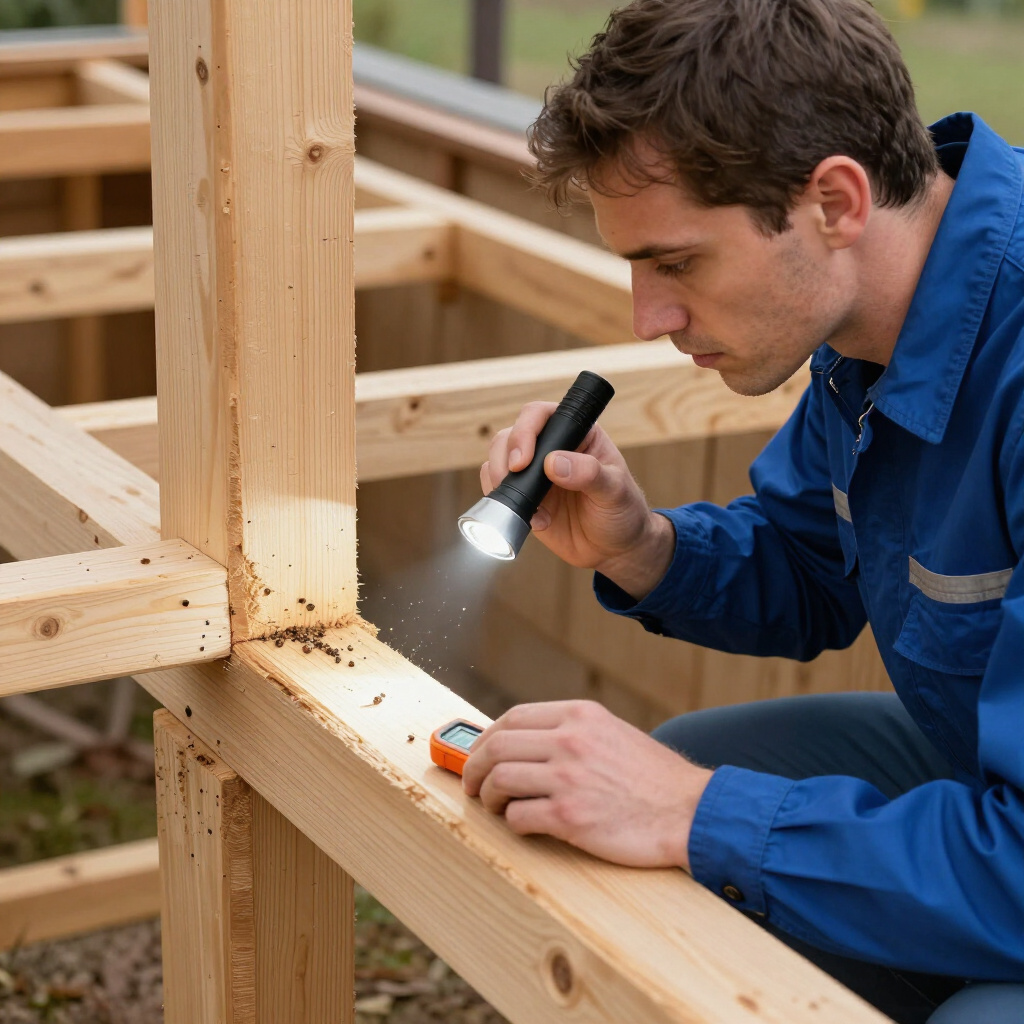
Termites work silently, often causing extensive damage before homeowners notice any sign. Subterranean termites build mud tubes along foundations, while drywood termites infest attic framing and furniture. Schedule annual professional inspections, maintain proper drainage away from your foundation, and eliminate wood-to-soil contact around your property.
Bed bugs have made a significant resurgence, spreading through travel, secondhand furniture, and multi-unit housing. These reddish-brown insects hide in mattress seams, box springs, and furniture crevices, emerging at night to feed. Protect yourself by inspecting hotel rooms when traveling, carefully vetting used furniture purchases, and using protective encasements on mattresses.
Prevention Strategies That Actually Work
Effective pest prevention isn't about dramatic interventions—it's about consistent, layered protection that addresses what pests need to survive.
Seal your perimeter. Walk your home's exterior with a critical eye. Caulk gaps around windows and doors, repair torn screens, install chimney caps, and stuff steel wool into larger openings before sealing with caulk or foam. Pay special attention where utilities enter your home, as these create ready-made highways for pests.
Manage moisture religiously. Most pests require water to survive, and many prefer humid conditions. Run dehumidifiers in damp basements, ensure bathrooms have exhaust fans, clean gutters regularly, and grade soil to direct water away from your foundation. Even pet water bowls left overnight can sustain roaches and rodents—refresh them daily and consider elevated designs.
Store food strategically. Cardboard and thin plastic packaging won't stop determined pests. Transfer dry goods to glass, metal, or heavy-duty plastic containers with tight-fitting lids. Clean pantry shelves regularly to remove spilled grains and flour. Don't overlook pet food, which attracts rodents and ants with equal enthusiasm—seal it in airtight containers rather than leaving bags open.
Maintain your landscape. Overhanging branches create bridges for ants, rodents, and squirrels. Keep shrubs and tree limbs trimmed back from your roof and walls. Move firewood piles at least twenty feet from your home and elevate them off the ground. Dense ground cover near foundations provides shelter for pests transitioning indoors—maintain clear space instead.
When to Call a Professional
DIY prevention handles most situations, but certain scenarios warrant expert intervention. Multiple pest species appearing simultaneously often indicates underlying conditions—moisture problems, structural deterioration, or established colonies—that require professional diagnosis. Recurring infestations despite your best efforts suggest hidden entry points or nests that need specialized equipment to locate and eliminate.
Termites, bed bugs, and extensive rodent problems almost always need professional treatment. These pests cause significant damage, reproduce rapidly, or develop resistance to over-the-counter products. Licensed pest control technicians can identify the specific species, apply targeted treatments safely, and establish monitoring programs to prevent recurrence.
When selecting a pest control provider, look for integrated pest management (IPM) approaches that emphasize prevention and minimize chemical use. Ask about guarantees, follow-up protocols, and whether they provide detailed inspection reports documenting conditions and recommendations.
Final Thoughts
The most effective pest strategy combines vigilance with consistency. A single deep clean won't protect your home indefinitely, but small daily habits—wiping counters, managing trash, monitoring for signs of activity—create an environment where pests simply cannot thrive. Address problems early when they're easier and less expensive to resolve. And remember that professional guidance is always available when situations exceed your comfort level or expertise. Your home should feel like a sanctuary, not a battleground—understanding most common household pests and how to prevent them puts that goal well within reach.