
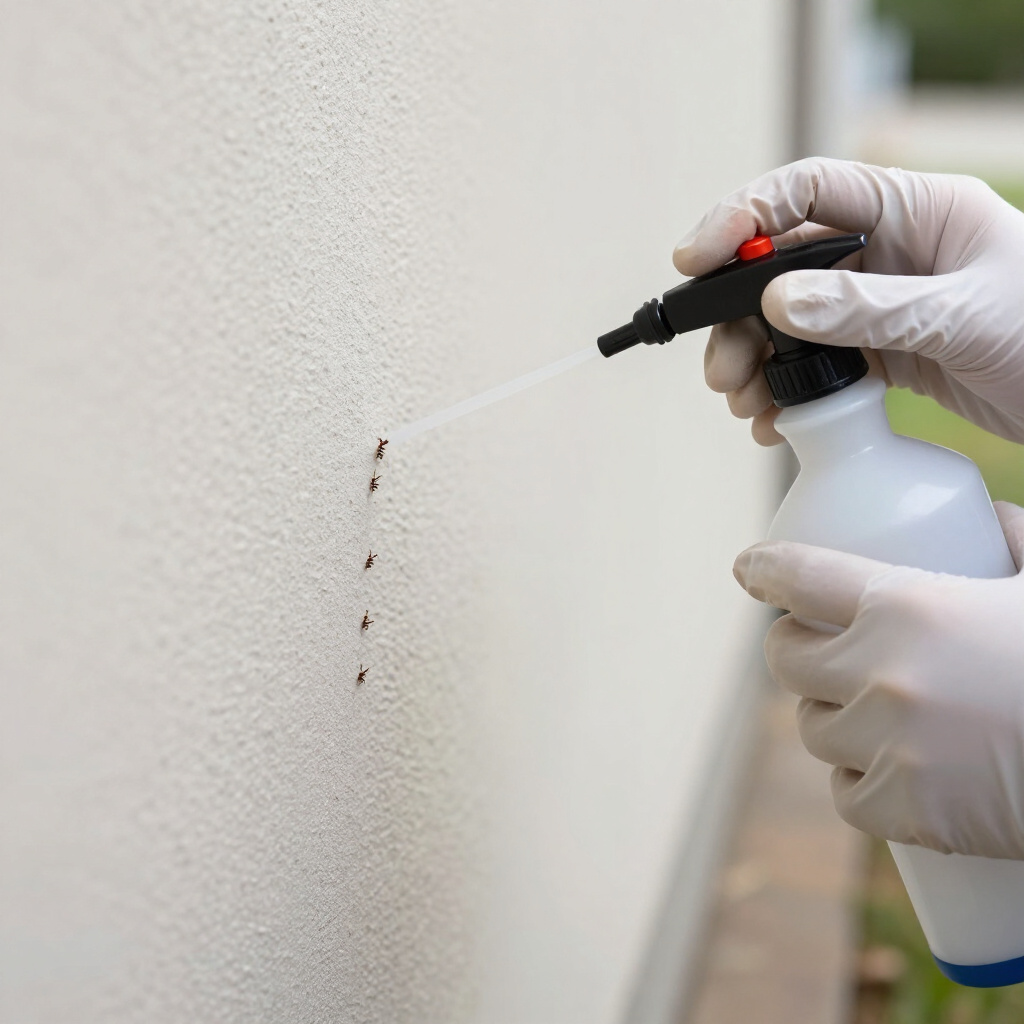


There's nothing quite like the sinking feeling of spotting a trail of ants marching across your kitchen counter. One day your home is peaceful, and the next, it seems like every ant in the neighborhood has RSVP'd to a feast you didn't plan. The good news? You don't have to accept ants as unwelcome roommates. With the right approach, you can make your home far less appealing to these persistent invaders and stop problems before they start.
How to Prevent Ants From Invading Your Home Starts With Understanding Their Behavior
Ants aren't randomly wandering into your living space—they're on a mission. Worker ants leave their colony in search of food and water, laying down a pheromone trail for their nest-mates to follow. This is why you often see ants traveling in such organized lines. Once a scout finds something worthwhile, the entire workforce may soon follow.
Most ant invasions happen during seasonal transitions. In spring, colonies become active after winter dormancy. During hot, dry summer stretches, ants venture indoors seeking moisture. In fall, they're stockpiling food reserves before cooler weather arrives. Understanding these patterns helps you stay vigilant when ants are most motivated to breach your defenses.
Different ant species also behave differently. Sugar ants swarm toward sweets and spilled beverages. Grease ants, also called thief ants, prefer fatty, oily foods. Carpenter ants don't actually eat wood but excavate it for nesting, making them a structural threat. Knowing which type you're dealing with helps you target your prevention efforts more effectively.
Seal Entry Points to Block Ant Access
Ants are remarkably resourceful at finding ways inside. A crack the width of a pencil lead is more than enough for most species to squeeze through. Your first line of defense is a thorough inspection of your home's exterior, followed by diligent sealing work.
Start with the foundation. Walk the perimeter and examine where the foundation meets siding, where utility lines enter, and around basement windows. Use silicone caulk for small cracks and gaps—it's flexible, durable, and creates a solid barrier. For larger openings around pipes or conduits, consider expanding foam sealant backed with steel wool, which deters persistent ants and other pests.
Don't overlook higher entry points. Tree branches touching your roof or walls act as bridges directly to your home. Trim vegetation back at least a foot from exterior surfaces. Check window screens for tears, ensure door sweeps make proper contact with thresholds, and repair damaged weather stripping. Even chimney gaps and roof vents deserve attention if you've had ant issues previously.
Indoors, focus on the kitchen and bathrooms where ants are most commonly spotted. Seal gaps around plumbing penetrations beneath sinks, behind toilets, and near appliances. These utility channels often run through wall voids that ants exploit as highway systems throughout your home.
Eliminate Food and Water Sources That Attract Ants
Prevention fails quickly if ants find what they're seeking inside. Making your home inhospitable requires consistent habits that remove the rewards of their expedition.
In the kitchen, store pantry goods in airtight containers—glass, metal, or thick plastic with secure lids. Cardboard boxes and thin plastic bags offer no real protection. Wipe down honey jars, syrup bottles, and jam containers after each use; the sticky residue on exteriors is irresistible to foraging ants. Clean counters thoroughly each evening, as nighttime is prime foraging time. Never leave dirty dishes soaking overnight, and sweep floors regularly to eliminate crumbs.
Your trash and recycling need attention too. Use bins with tight-fitting lids, and take garbage out frequently rather than letting it accumulate. Rinse recyclable containers before storing them, as even trace amounts of soda or food residue draw ants. Consider keeping compost bins outdoors and well-sealed.
Moisture management matters equally. Fix dripping faucets and running toilets promptly. Address condensation issues around pipes in basements or crawl spaces. Ensure bathrooms have adequate ventilation so surfaces dry between uses. In humid climates, a dehumidifier in problem areas reduces the damp conditions ants favor for nesting.
Pet food deserves special mention. Many ant invasions originate from bowls left down continuously. Establish set feeding times, then remove and clean bowls afterward. Store pet food in sealed containers rather than open bags, and sweep up any scattered kibble immediately.
Key Tips for Long-Term Ant Prevention
Beyond the fundamentals, several targeted strategies strengthen your defenses considerably. Implementing these practices creates multiple layers of protection that work together.
Create a perimeter barrier. Apply a residual insecticide treatment around your home's foundation, focusing on entry points and known ant pathways. Reapply according to product instructions, typically every 30 to 90 days depending on weather exposure. For a more natural approach, diatomaceous earth spread in a thin line creates a desiccating barrier that damages ants' exoskeletons—though it requires reapplication after rain or heavy moisture.
Deploy strategic bait stations. Place ant bait stations along exterior walls where you've observed activity. Quality baits contain slow-acting toxins that foraging ants carry back to the colony, eventually eliminating the queen and nest. This targets the root problem rather than just the visible workers. Replace baits regularly, as they can dry out or become less appealing over time.
Maintain your landscape mindfully. Mulch and decorative ground cover against your foundation create ideal nesting conditions. Keep mulch layers thin and pull back several inches from siding. Store firewood elevated and away from exterior walls, as it harbors moisture and ant colonies. Address aphid problems on ornamental plants promptly—the honeydew aphids produce is a major ant attractant.
Monitor proactively. Place sticky traps or simple tape strips in historical trouble spots to catch early activity before it escalates. Check these weekly during high-risk seasons. Early detection lets you respond with targeted treatments before a full-blown trail establishes.
Know when professional help is warranted. If you're seeing ants consistently despite thorough prevention efforts, or if you suspect carpenter ants with their potential structural damage, professional pest control brings expertise and commercial-grade solutions. Recurring indoor trails, especially in winter when ants should be dormant, often signal hidden nesting that requires specialized treatment.
Final Thoughts
Preventing ants from invading your home combines vigilance with consistent habits. Seal their pathways, remove their temptations, and maintain barriers that discourage their efforts. No single tactic guarantees complete protection, but layered strategies dramatically reduce your risk of waking to that unwelcome kitchen march.
The investment in prevention pays dividends beyond avoiding ant annoyance. You'll also reduce risks of food contamination, protect your home's structure from carpenter ant damage, and enjoy greater peace of mind. Start with a weekend inspection and sealing project, establish the kitchen and moisture habits, then layer in perimeter protection. Your home doesn't have to be open to ants—with these steps, you control the guest list.