


Finding an unexpected spider dangling from your ceiling or scurrying across the floor can send even the calmest homeowner reaching for a shoe. While most household spiders are harmless and actually help control other pests, nobody wants to share their living space with eight-legged roommates. The good news? Keeping spiders out of your house is entirely achievable with the right combination of prevention tactics and home maintenance habits.
How to Keep Spiders Out of Your House by Sealing Entry Points
Spiders are master contortionists that can squeeze through remarkably small gaps. The most effective long-term strategy for spider prevention starts with making your home physically inaccessible to them.
Begin with a thorough exterior inspection. Check window screens for tears and repair or replace damaged ones promptly. Examine door sweeps and weatherstripping—gaps as thin as a credit card can admit spiders and the insects they hunt. Pay special attention to utility penetrations where pipes, cables, and vents enter your home; these often have expandable foam or caulk that degrades over time.
Foundation cracks, gaps in siding, and spaces around chimney flues deserve attention too. Use silicone caulk for smaller cracks and steel wool combined with caulk for larger openings. Don't overlook the garage—an attached garage with a poorly sealed door acts as a staging ground for spiders waiting to enter your main living space.
Ventilation matters, so install fine mesh screens over attic vents, crawl space openings, and soffit vents. The goal isn't airtight perfection but eliminating the obvious highways spiders use to explore your home's interior.
Remove the Incentives That Attract Spiders Indoors
Spiders don't enter homes randomly—they follow food, water, and suitable shelter. Understanding what draws them helps you eliminate the welcome mat.
Outdoor lighting deserves strategic reconsideration. Standard white lights positioned near doors and windows attract flying insects, which in turn attract hunting spiders. Switch to yellow or amber LED bulbs, which are less attractive to insects, or position lights away from the house to draw bugs elsewhere. Motion-activated lights reduce the time your home serves as an insect beacon.
Landscaping choices significantly impact spider populations near your foundation. Wood piles, compost bins, rock walls, and dense shrubbery provide ideal spider habitat. Maintain at least a twelve-inch clearance between vegetation and your exterior walls. Store firewood off the ground and away from the house, and regularly clean up leaf litter, fallen branches, and other organic debris.
Moisture control extends indoors too. Spiders need water, and damp basements, leaky pipes, and humid bathrooms create favorable conditions. Run dehumidifiers in chronically moist spaces, fix plumbing leaks promptly, and ensure bathrooms have adequate ventilation. A drier home discourages both spiders and the moisture-loving insects they prey upon.
Key Tips for Maintaining a Spider-Free Interior
Even with excellent exterior defenses, some spiders may find their way inside. Consistent interior habits prevent them from establishing themselves.
Regular cleaning disrupts spider habitats before they become problematic. Vacuum corners, ceilings, behind furniture, and in seldom-used rooms weekly. Pay special attention to window tracks, closet floors, and storage areas where spiders construct undisturbed webs. When you spot a web, remove it completely—spiders often rebuild in the same location, but repeated removal encourages them to relocate.
Clutter represents prime real estate for spiders. Cardboard boxes, piles of newspapers, and overstuffed closets offer hiding spots and web-anchoring points. Transition to sealed plastic storage containers, keep floors clear, and periodically declutter forgotten spaces like under beds and in utility rooms.
Natural deterrents offer supplemental protection without harsh chemicals. Essential oils like peppermint, tea tree, and eucalyptus have shown mild repellent properties. Dilute several drops in water and spray along baseboards, window sills, and door frames. Vinegar solutions work similarly, though the smell dissipates quickly. Diatomaceous earth, a natural abrasive powder, can be applied in wall voids and crawl spaces where it desiccates crawling insects and spiders. Reapply these treatments regularly, as their effectiveness diminishes over time.
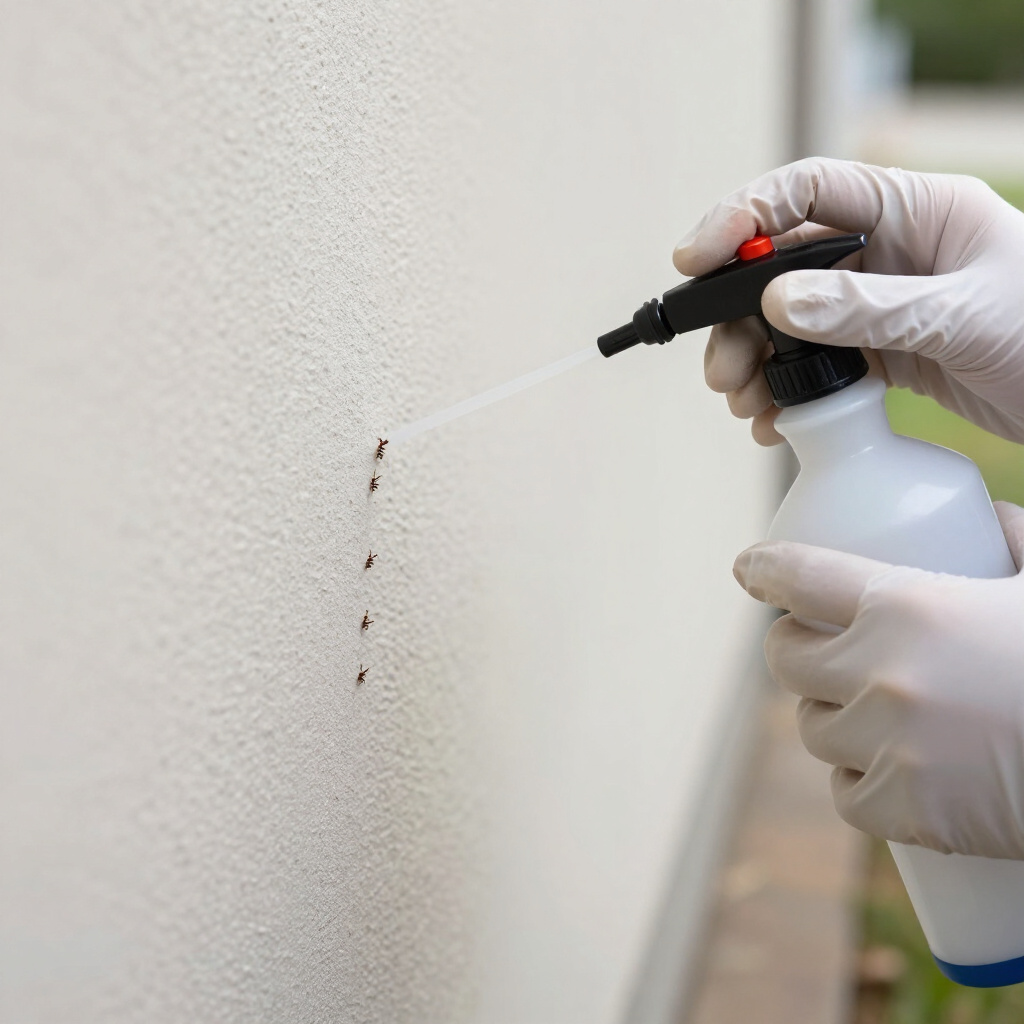
For persistent problems, targeted insecticide applications may become necessary. Focus treatments on entry points, corners, and voids rather than broad surface spraying. Many modern formulations are designed for crack-and-crevice application, minimizing exposure while maximizing effectiveness against spiders and their prey.
Final Thoughts
How to keep spiders out of your house ultimately comes down to consistency and addressing the root causes that invite them in. No single tactic provides complete protection, but layering multiple strategies—physical exclusion, environmental modification, and diligent maintenance—creates a home environment where spiders simply aren't motivated to stay.
Start with the most impactful changes: seal obvious entry points, reduce exterior lighting attraction, and establish a regular cleaning routine. From there, fine-tune your approach based on your home's specific vulnerabilities and the spider species common in your region. Remember that completely eliminating every spider is neither realistic nor necessarily desirable—a few basement spiders quietly managing other pest populations isn't cause for alarm.
However, if you're noticing frequent sightings, webs appearing faster than you can remove them, or signs of potentially dangerous species like black widows or brown recluses, professional pest control assessment may be warranted. Trained technicians can identify hidden entry points, treat difficult-to-reach harborage areas, and develop a customized prevention plan for your property.
With patience and systematic effort, you can reclaim your living spaces and enjoy a home where encounters with spiders become rare exceptions rather than regular surprises.