

When ants march across your kitchen counter or you hear scratching in the walls at night, the first question that comes to mind is simple: should you tackle the problem yourself or call in a professional? Both DIY pest control and hiring an expert have their place, but making the right choice depends on understanding what you're really up against, what you hope to achieve, and how much risk you're willing to take.
DIY Pest Control vs Hiring a Professional: Knowing Your Limits
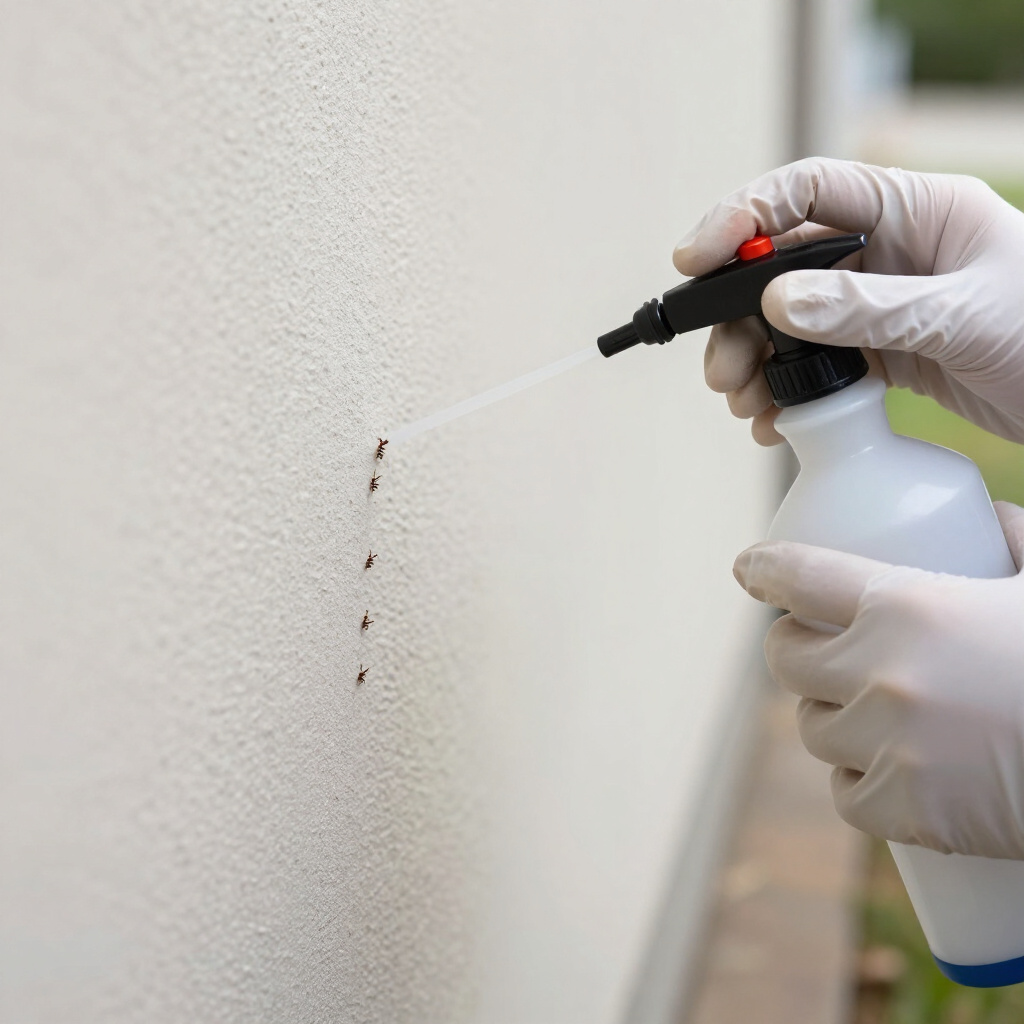
There's something satisfying about solving a problem with your own two hands. A quick trip to the hardware store, a few sprays around the baseboards, and the immediate sight of dead insects can feel like a victory. For minor, isolated issues, DIY methods often work well. A single trail of sugar ants, a wasp nest that's accessible and small, or a spider spotted in the garage—these scenarios rarely require professional intervention.
However, DIY pest control has a ceiling. Most over-the-counter products are designed for prevention or light, surface-level treatment. They rarely reach nests hidden deep within walls, under foundations, or in crawl spaces. Worse, misapplication can scatter pests rather than eliminate them. Disturbed colonies of termites or bed bugs, for instance, may split and spread to new areas of your home, turning a manageable problem into a full-blown infestation.
Safety is another consideration many homeowners overlook. Pesticides, even those sold to consumers, carry real risks. Improper mixing, application in poorly ventilated areas, or use around children, pets, or food preparation surfaces can lead to health issues. Reading the label helps, but understanding integrated pest management principles—the biology of the pest, its breeding cycles, and its entry points—takes training that most homeowners simply don't have.
When Professional Expertise Makes All the Difference
A licensed pest control professional brings more than stronger chemicals to the table. They bring diagnostic skill, specialized equipment, and knowledge of local pest behavior that can't be replicated with a spray bottle and online research.
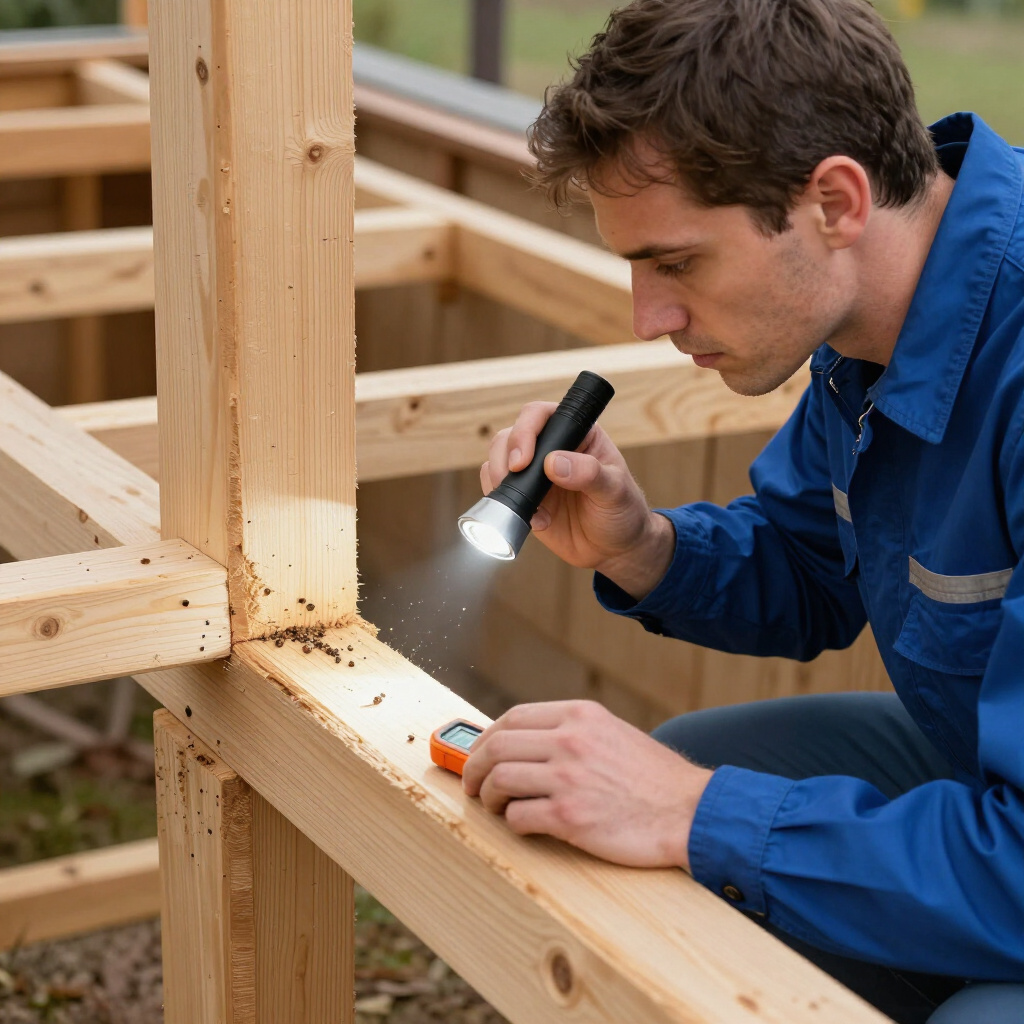
Professionals begin with inspection, not treatment. They identify the exact species you're dealing with—because carpenter ants and odorous house ants require completely different approaches. They locate nests, trace entry points, and assess conditions that attracted pests in the first place: moisture issues, structural gaps, landscaping that touches your siding, or food storage practices.
The treatment methods available to professionals extend far beyond what's on retail shelves. Targeted baiting systems, heat treatment for bed bugs, termite bait stations, exclusion techniques, and growth regulators that disrupt breeding cycles—these tools address root causes rather than symptoms. Many companies also offer warranties or return visits, meaning you're not left guessing whether the problem is truly resolved.
Perhaps most valuable is the time and stress saved. Researching products, applying treatments repeatedly, monitoring for results, and still losing sleep wondering if carpenter bees are hollowing out your deck beams—these burdens add up. For busy families or anyone managing health concerns, professional service often pays for itself in peace of mind alone.
Key Tips for Making the Right Choice
Start by honestly assessing the situation. Ask yourself these questions before deciding between DIY pest control vs hiring a professional:
How extensive is the problem? Seeing one or two pests occasionally suggests prevention or light treatment may suffice. Regular sightings, droppings, damage to wood or wiring, or pests appearing in multiple rooms signal a deeper issue requiring professional evaluation.
What type of pest are you facing? Some pests are genuinely manageable DIY projects. Others—termites, bed bugs, rodents in walls, venomous spiders, or stinging insects in hard-to-reach places—almost always warrant professional handling due to health risks, property damage potential, or treatment complexity.
What's your risk tolerance? If you're comfortable with trial and error, have time to research proper techniques, and the stakes are low, DIY can be a reasonable first step. If the thought of bed bugs spreading to every bedroom or termites silently compromising your home's structure keeps you awake, professional intervention is the wiser investment.
Consider the hidden costs of DIY. Repeated product purchases, equipment rentals, time off work, property damage from delayed effective treatment, and potential medical costs from improper pesticide exposure—these add up quickly. Get quotes from reputable local companies and compare against your realistic DIY expenses, not just the price tag on a can of spray.
Prevention is where everyone should invest. Whether you handle routine maintenance yourself or hire quarterly service, sealing entry points, managing moisture, storing food properly, and maintaining your yard's perimeter form the foundation of any successful pest management strategy. Professionals can identify vulnerabilities you'd never notice; apply this insight even if you prefer doing your own treatments.
Final Thoughts
There's no universal right answer in the debate of DIY pest control vs hiring a professional. The occasional ant invasion responds well to a determined homeowner with a caulking gun and some boric acid. But when pests threaten your health, your home's integrity, or your sanity, professional expertise transforms from luxury to necessity.
The smartest approach often combines both: handle routine prevention and minor issues yourself, while building a relationship with a trusted local pest control company for situations that exceed your comfort zone or capabilities. This balanced strategy protects your home, your budget, and your peace of mind—without leaving you vulnerable when pests refuse to play by the rules you've found online.
If you're facing a pest problem and unsure which path to take, start with a professional inspection. Many companies offer this at no cost, giving you expert insight without commitment. Armed with that knowledge, you can make an informed decision about whether to roll up your sleeves or hand the reins to someone trained for the battle ahead.